

10 Most Underrated Horror TV Shows Of All Time
Here at TVLine, we've already covered the best horror shows of all time, but there are plenty more that are well worth celebrating. With such a crowded field, some shows slip through the cracks and get forgotten over the passage of time. This ranges in everything from anthology horror shows and intense procedurals to shows linked to entire superhero shared universes. We're here to highlight these series that stand the risk of sliding into obscurity because they each deserve checking out in their own right.
As always, this isn't a knock on these shows — quite the contrary — the shows we're mentioning here need their flowers too. In some cases, these are shows that only lasted a single season before being unceremoniously brought to an untimely end. In other cases, the series listed here just got overshadowed by more popular contemporaries during their initial release. These are the 10 most underrated horror TV shows of all time and perfect viewing for any genre fan.
Hammer House of Horror
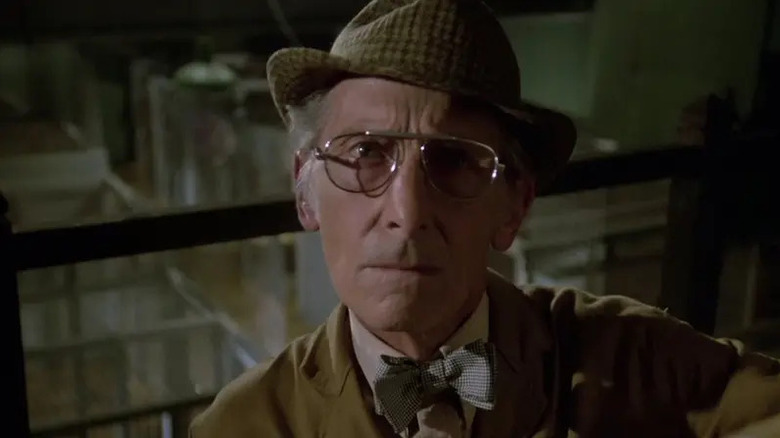
Dating back to the '50s and its cinematic adaptations of "Dracula" and "Frankenstein," Hammer Films was a major name in British horror. As the studio's movie output began to diminish toward the end of the '70s, it turned to television with "Hammer House of Horror." An anthology series that premiered in 1980, the show ran for 13 episodes, with each installment covering a different standalone scary story. Among the more memorable vignettes include a 17th-century witch traveling to present-day to continue her magical wrath and a vacationing couple encountering a werewolf coven.
Though it is hardly remembered by many today, "Hammer House of Horror" is one of the best horror shows of all time. The show captures the foreboding atmosphere and sanguine storytelling that made the Hammer movies so prolific, streamlined for television pacing. At the same time, the show features an impressive set of British and Irish acting talent, including Hammer veteran Peter Cushing and young Pierce Brosnan. Well worth tracking down for fans of Hammer's cinematic output, "Hammer House of Horror" is British anthology horror done right.
Tales from the Darkside
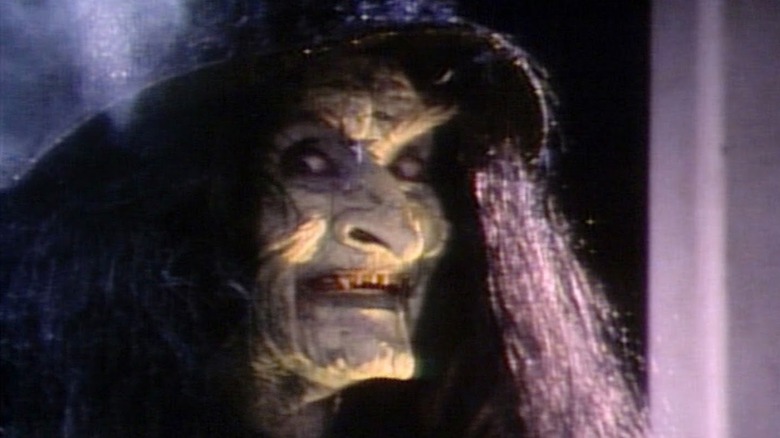
After helming the 1982 horror anthology movie "Creepshow," filmmaker George A. Romero took the format to television with "Tales from the Darkside." Its one-off pilot episode debuted in 1983, and the full first season premiered the following year, with the series ultimately running for four seasons. The episodes within the series ranged from a miser getting grim payback for tormenting trick-or-treaters to an author discovering his new word processor can alter reality through what it writes. The series also boasts an impressive line of writing and acting talent, with Clive Barker, Robert Bloch, and Romero's "Creepshow" collaborator Stephen King among its contributors.
Like "Creepshow," "Tales from the Darkside" tends to carry a morbid sense of humor with its scary stories. Many of the characters each episode endure a comeuppance like some sort of twisted fable, occasionally veering close to macabre slapstick. This predates "Tales from the Crypt" taking on a similar tonal approach several years later on HBO, with the latter series benefiting from its premium cable resources. With that in mind, think of "Tales from the Darkside" as a scrappier progenitor to the HBO horror anthology, but no less effective in its own storytelling.
The Twilight Zone (1985)
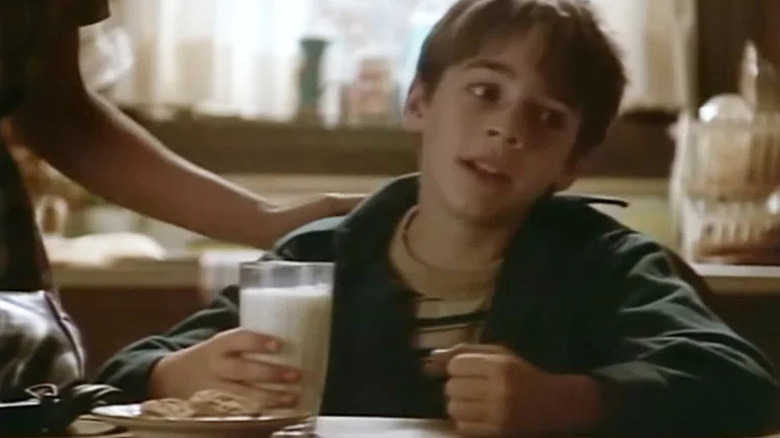
With four "Twilight Zone" series and counting, the 1985 revival is one of the middle children in the franchise's legacy. Airing for three seasons until 1989, the show is also the most successful outside of the 1959 original series. Though the franchise's creator Rod Serling had been dead for years by the time that the revival premiered, the '80s series honored his legacy. This includes a bullpen of impressive writers contributing episodes, such as Harlan Ellison adapting a Stephen King story and George R.R. Marin writing five episodes.
Generally speaking, the '80s "Twilight Zone" more overtly and frequently veered into horror than its predecessor, with more intense and darker episodes. This includes stories like "Button, Button" and "Nightcrawlers," led by major movie stars just like the classic series. The show also features a shorter story structure, with multiple standalone vignettes in each episode that help keep the pacing brisk. The best "Twilight Zone" outside of Serling's original, the '80s revival deserves far more recognition than it currently gets.
Monsters
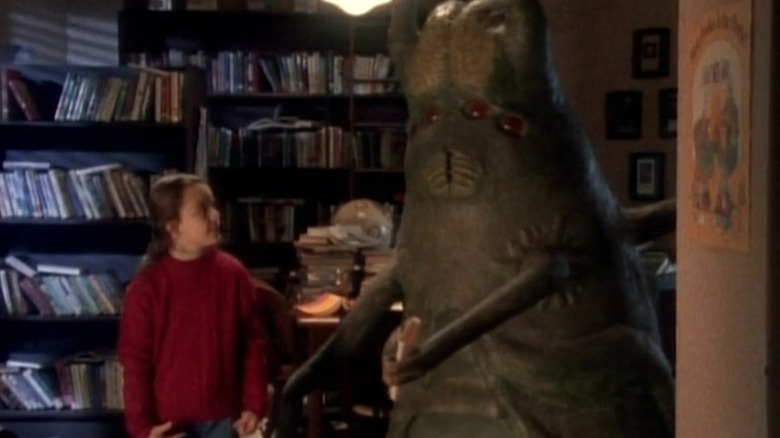
After producing "Tales from the Darkside," Richard P. Rubinstein teamed up with producer Mitchell Galin to create the subsequent horror anthology series "Monsters." Starting in 1988, the show, as its title suggests, had a stronger focus on grotesque creatures in its standalone stories. These tales range from a vampire hunter facing an old enemy for a bloody rematch to an unwilling organ donor rising from the dead to get his body parts back. Broadcast straight to syndication like "Tales from the Darkside," the series ran for three seasons before coming to an end in 1991.
"Monsters" doubles down on the campy tone present in "Tales from the Darkside," embracing its creature feature roots. The episodes still regularly delve into the macabre, but there is a freewheeling sense of fun to it, with a self-aware wink to the audience. The real standout here is the makeup effects, not just for the monsters, but also for the hideous transformations and curses appearing throughout the series. For aficionados of stellar practical effects and plenty of postmodern camp in their scary stories, "Monsters" has got you covered.
Millennium
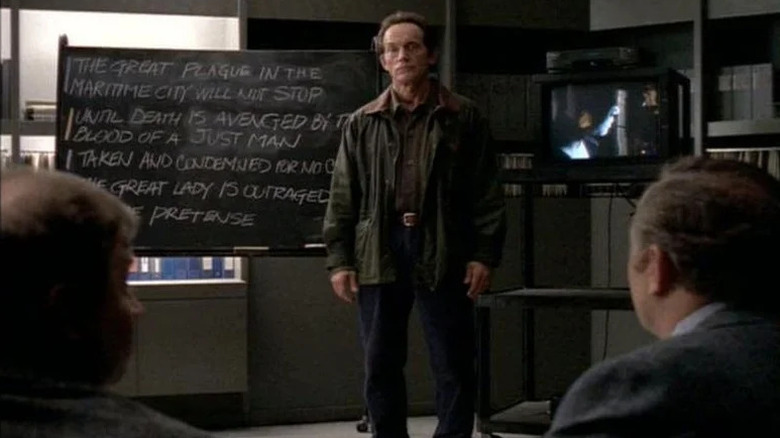
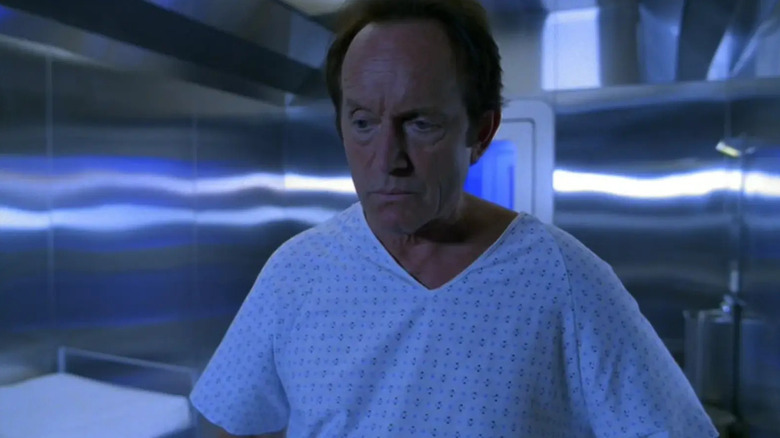
After creating "The X-Files," screenwriter and producer Chris Carter launched the thriller series "Millennium" in 1996, which is set in the same shared universe. The show centers on former FBI agent and consulting forensic specialist Frank Black (Lance Henriksen) who has the strange ability to see through the eyes of serial killers. Black takes on his former employers, the Millennium Group, discovering that they have their own sinister agenda, targeting Black and his family over his unusual power.
Given its premise, like a telepathic twist on "Mindhunter," "Millennium" is a much more horror-oriented show than "The X-Files," at least on a consistent basis. The supernatural elements that build over the latter two seasons reinforce that horror identity while echoing the conspiracy elements of Carter's prior series. Guiding it all is a reliably grounding performance from Henriksen, a family man haunted by his dark perspective through the eyes of society's worst. One of the best serial killer shows ever, "Millennium" deserves more recognition than just being a three-season "X-Files" spin-off.
Masters of Horror
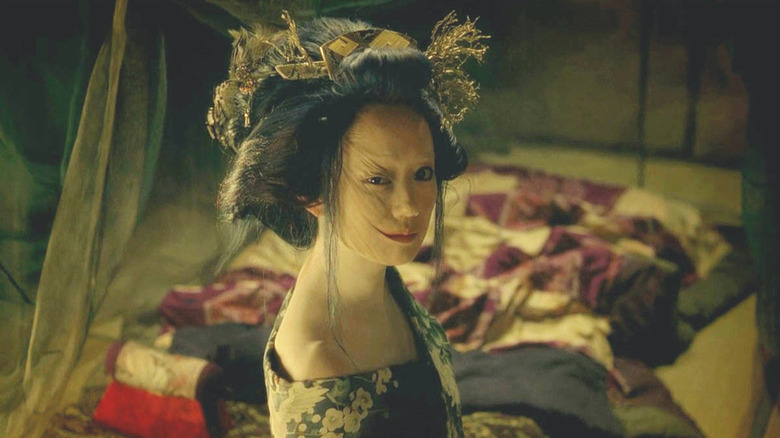
Series creator Mick Garris assembled an absolute all-star ensemble of scary story talent for the 2005 anthology series "Masters of Horror." Each episode features a standalone frightening vignette directed by horror filmmaking royalty like John Carpenter, Dario Argento, and Tobe Hooper. The stories told across the show include a man searching for a notorious lost film that drove viewers murderously insane and undead soldiers trying to influence an upcoming presidential election. The series takes full advantage of its platform on a premium cable network like Showtime, pushing the boundaries of graphic and disturbing content.
With its eclectic directorial and screenwriting talent, "Masters of Horror" explores the ins and outs of the genre to varying degrees. The show can oscillate wildly on its tone, ranging from broad horror comedy and satire to truly unhinged and viciously violent episodes. Through it all, the anthology really captures just how versatile and malleable the genre is, though admittedly some episodes won't be every horror fan's cup of macabre tea. Running for two seasons, "Masters of Horror" carved its own gruesome place in the genre landscape with big names attached.
Nightmares & Dreamscapes: From the Stories of Stephen King
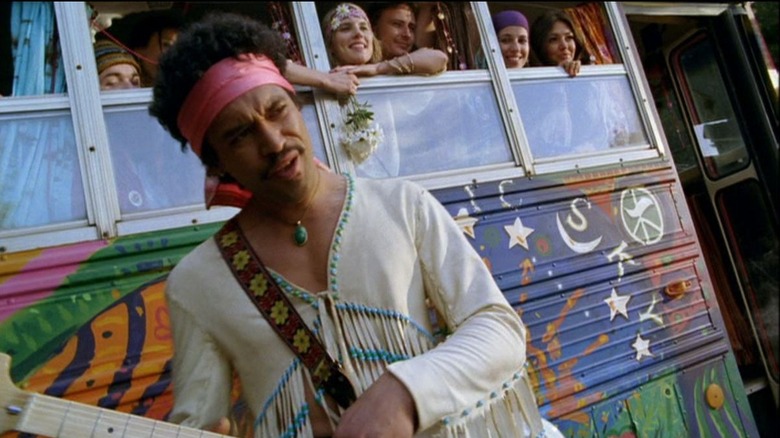
Given how prolific of an author he is, Stephen King has loads of terrific TV shows based on his work. One of the more underrated television adaptations of his literary tales is "Nightmares & Dreamscapes: From the Stories of Stephen King," which premiered in 2006. Each of the eight standalone episodes adapts a different short story written by King with rotating casts bringing each vignette to life. This includes a poison victim who finds himself conscious but paralyzed during his own autopsy and a writer who comes into possession of a sinister painting that presages horrific events.
With an impressive ensemble cast ranging from William H. Macy and Claire Forlani to Ron Livingston and Samantha Mathis, "Nightmares & Dreamscapes" pulls out the stops. The stories themselves are on a bit more of a smaller scale than longer-form adaptations of King's source material, but no less chilling. For any Stephen King fan, this show does the iconic author justice and is well worth tracking down to watch. With an eight-episode run, "Nightmares & Dreamscapes" is perfect to binge over the course of a single weekend.
Constantine
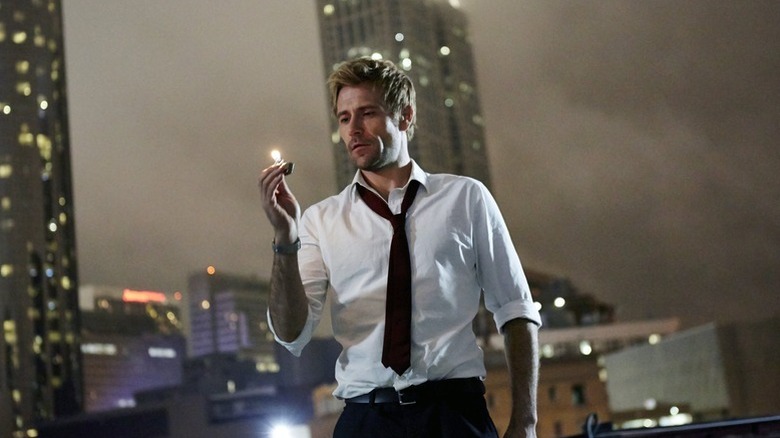
One of the most occult figures in the DC Universe, occasionally brushing shoulders with the likes of Batman and Wonder Woman, is John Constantine. The character starred in his own short-lived 2014 series, simply titled "Constantine," with Matt Ryan playing the wry demon hunter. Constantine uses a scrying map to identify where the forces of evil are trying to make headway around the United States and moves to drive them back. Despite the hellish stakes, "Constantine" maintains a devilishly irreverent sense of humor about itself, driven by Ryan's cocksure performance.
"Constantine" provides a fun twist on the monster-of-the-week format, maintaining an overarching narrative as its titular occultist battles demons cross-country. A lot of that enjoyment comes from Ryan's performance — he looks and acts like his character just walked straight out of the comic book's pages. Despite all of this, "Constantine" was canceled after 13 episodes, though Ryan's bedeviled alter ego enjoyed a prolific afterlife on other DC superhero shows. A series that at least deserved a full season rather than its truncated run, "Constantine" did its eponymous protagonist justice.
Channel Zero
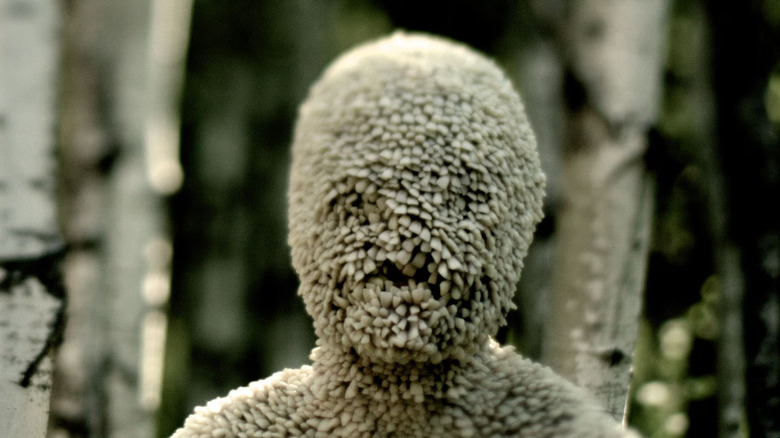
Years before "Backrooms" turned creepypastas into box office success, the 2016 Syfy series "Channel Zero" took its own turn at transforming online urban legends into scary stories. Similar to "American Horror Story," the anthology series stretched its bone-chilling tales across the span of an entire season rather than single episodes. These stories include a mysterious traveling haunted house attraction and a man who discovers that a serial killer who murdered his brother is linked to a children's television show. Each season runs for six episodes, deftly setting the stage for the creeping terror that takes full hold of audiences in short order.
There is a steady sense of mystery guiding every season of "Channel Zero," with curiosity often repaid with shocking twists and mounting dread. Though there are scares to be had, the show really excels at delivering thoroughly unsettling moods and an unrelenting ominous tone. There is a deep-seated melancholy that informs many of the stories, often stemming from unresolved childhood trauma and inner demons, giving the spooky elements a rawer emotional edge. Perfectly constructed to binge an entire season at a time, "Channel Zero" highlights just how creepy online scary stories can be.
Evil
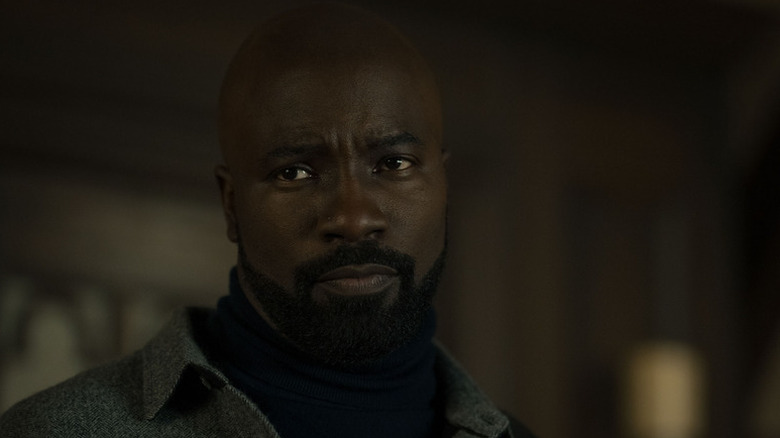
One of the best TV shows streaming on Paramount+ is "Evil," which mixes supernatural scares with a procedural format. The series revolves around the partnership between forensic psychologist Kristen Bouchard (Katja Herbers) and Catholic priest David Acosta (Mike Colter). Brought together by the Catholic Church, the duo and their team, including tech expert Ben Shakir (Aasif Mandvi), investigate paranormal occurrences. This leads to the group uncovering a demonic conspiracy involving the manipulative Leland Townsend (Michael Emerson) who's taken a strong interest in Bouchard.
Beyond its monster-of-the-week pacing, "Evil" handles so many of its binding elements incredibly well, from its interpersonal drama to its underlying mystery and paranormal terror. But "Evil" really excels when it lets its supernatural freak flag fly, getting delightfully weird with the possibilities of its premise. In that sense, the show both subverts common demonic horror tropes popularized by movies like "The Exorcist," but also clearly celebrates them too. The kind of paranormal procedural that doesn't get made much anymore, "Evil" is a devilish joy to watch.