

Why These 5 TV Shows Changed Their Titles
Usually when a show comes back for a new season, there are a few changes. Maybe there's a new member of the cast, or perhaps there's an all-new storyline that will drive the season. Less common is when a show comes back with a new name — but it happens.
We're not talking about a show adding a new subtitle with each season, like how "American Horror Story" has had seasons go by "Coven," "Freak Show," and "Asylum." Or how "Archer" became "Archer Vice" or "Archer Danger Island" for a season. Nor are we talking about shows that had big name changes but are, for whatever reason, technically not considered the same show. "The New Pope" was not a name change for "The Young Pope" Season 2; HBO considers it a sequel series.
No, these are shows that just straight-up changed their titles. There are many reasons why a series might do this, including the death of a lead actor, the addition or removal of a title character, or creative changes that make a show's original title no longer accurate. Here are five examples of shows that got renamed — and there are even more shows that got new names if you want more.
Alfred Hitchcock Presents became The Alfred Hitchcock Hour
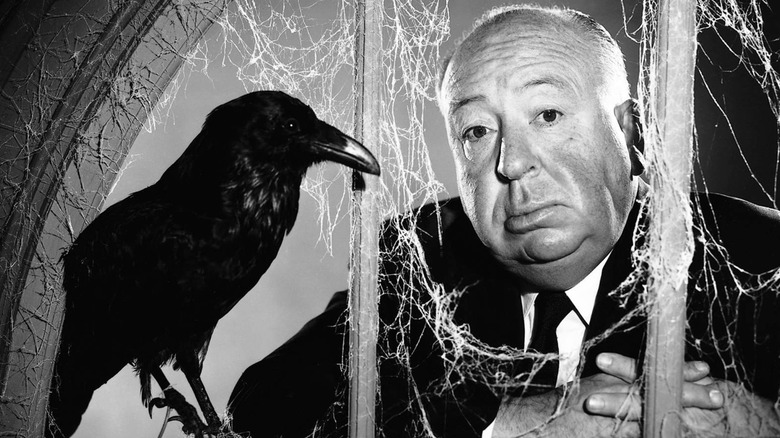
Considering that master of suspense Alfred Hitchcock's anthology series featured stories about murder, crime, and thrills, you'd be forgiven for thinking perhaps the show got a name change for some intrigue-filled reason. The reality is much more mundane.
"Alfred Hitchcock Presents," which premiered on CBS on October 2, 1955, was originally a half-hour program. Each episode, the "Psycho" director would drolly introduce the episode's story; typically a crime, thriller, or horror romp. The show moved to NBC starting with its sixth season, and two seasons later, in 1962, it doubled its runtime. The final three seasons of "Alfred Hitchcock Presents" were fittingly titled "The Alfred Hitchcock Hour."
In an interview with The Television Academy, producer Norman Lloyd admitted that he didn't really know why the show switched to the hour-long format, though he admitted it might've been to its detriment. "I suppose in retrospect people always used to say 'We liked the show better as a half hour,'" Lloyd said. "Some of our shows were a little too much air." However, Lloyd did note that some of the most popular and acclaimed episodes of the series, including a story he penned about a creepy carnival sideshow purchase titled "The Jar," were hour-long episodes.
Mrs. Columbo became Kate Loves a Mystery which became Kate the Detective before going back to Kate Loves a Mystery
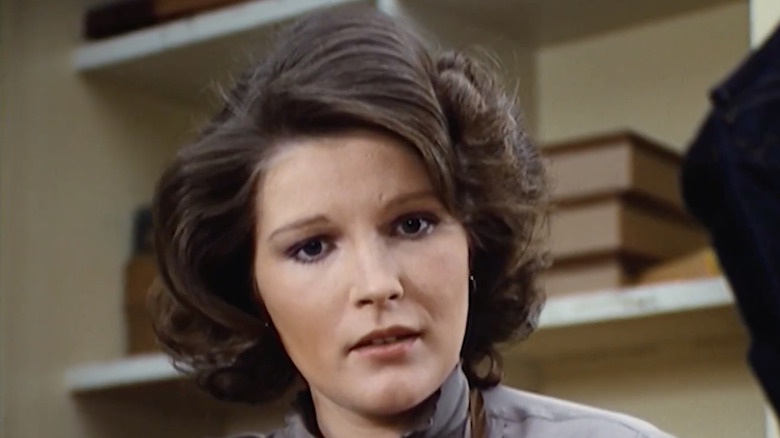
"Columbo" audiences never saw the iconic homicide detective's wife, but they heard about her a lot over the course of the beloved Peter Falk-led mystery series. In 1979, NBC launched a spin-off about the previously unseen wife, casting future "Star Trek: Voyager" star Kate Mulgrew as Columbo's investigative reporter spouse. Mr. Columbo wasn't in the show, and neither was Falk. The actor was nearly 30 years older than Mulgrew, which was regrettable.
"He's married to this girl who's young enough to be his daughter," producer David Levinson said looking back at the series in an interview with Classic TV History. "Kate Mulgrew was a nice actor, but there was just no way to overcome the premise."
In an effort to fix this fundamental problem, "Mrs. Columbo" rebranded itself in ways that minimized its "Columbo" spin-off connections. Reruns of the first season were advertised as "Kate Columbo," which was notable as the title character didn't have a first name until then. NBC retooled the show as "Kate Loves a Mystery" for Season 2. The second episode of the sophomore season was inexplicably advertised as "Kate the Detective," only for the series to return to "Kate Loves a Mystery" for the remainder of its run.
Kate Columbo also changed her name within the fiction of the show. She'd gotten an off-screen divorce from her husband (who was named Phillip and not Frank like Falk's Columbo) and returned to her maiden name, Kate Callahan. The show still flopped, ending after 13 episodes.
The Incredible Hulk became The Incredible Hulk and She Hulk
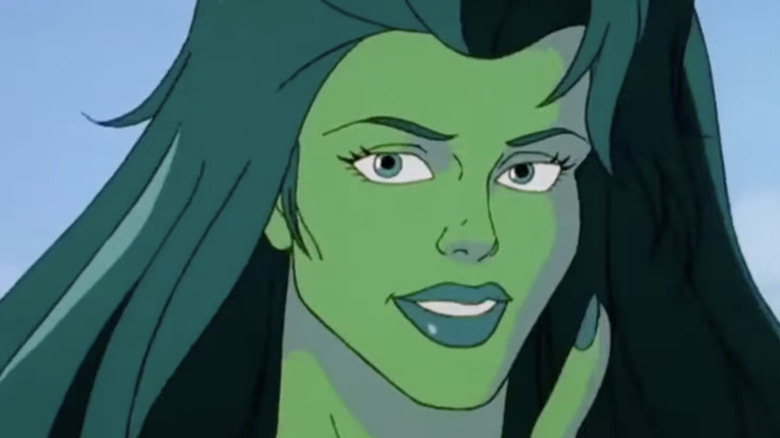
The Hulk smashed his way onto UPN in 1996 when "The Incredible Hulk" cartoon premiered in early September. The show, which followed Bruce Banner as he fled General Thunderbolt Ross and fought supervillains, is one of the best TV shows about The Hulk — and Lou Ferrigno, who voiced the big green Marvel character in the best Hulk series, even returned to do voiceover for Banner's transformed alter ego.
The Hulk had sole billing in the show's first season, which was fairly dark as far as children's cartoons went, and followed a tormented, haunted Banner on the run. The next season was a different story. Due to what Season 1 producer Dick Sebast characterized in an interview as network interference — including one network executive who wanted the characters on the show to be more fashion-forward — there was a pretty big change in the show's direction and vibe.
"We have a mandate from the network to make it lighter in tone and make it a lot of fun," story editor Greg Johnson explained in an interview with Wizard Magazine. Banner's cousin, Jennifer Walters (aka She-Hulk), who had made a few appearances in Season 1, got elevated to co-lead and had her name added to the title.
Miss Scarlett and The Duke became Miss Scarlett
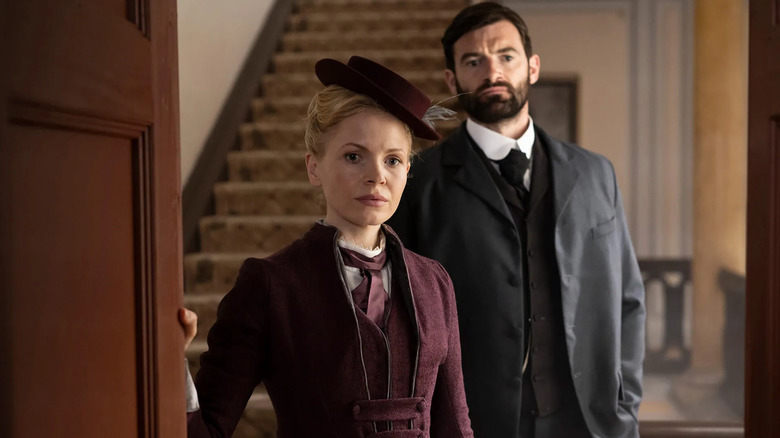
For the first four seasons of the Victorian-era mystery series "Miss Scarlett and The Duke," which aired in the United States as part of Masterpiece on PBS, private investigator Miss Eliza Scarlett (Kate Phillips) solved crimes with the assistance of a detective inspector of Scotland Yard known as The Duke. However, Stuart Martin, who played William "The Duke" Wellington, left the show, leading to his character getting dropped from the title as of the fifth season in early 2025.
The decision to have The Duke exit the series actually came from Martin himself, according to series creator Rachel New. "He felt that he'd taken the character as far as he could go and that this would be the natural point for Duke to leave," she said in an interview with Masterpiece Studio.
In that same podcast episode, Martin said that the impetus to have The Duke leave the show was partially because his "will they-won't they" relationship with Eliza Scarlett had reached its narrative endpoint. Eliza and the Duke admit they have feelings for one another before he departs for a new job in New York City. Had The Duke remained on the show, Martin explained, the series would've either never gotten to the point where they were honest about their feelings or else it would've had to find ways to pull them back apart. "In having his departure, you're allowing them to get together," Martin said.
Interview With the Vampire became The Vampire Lestat, which became Queen of the Damned
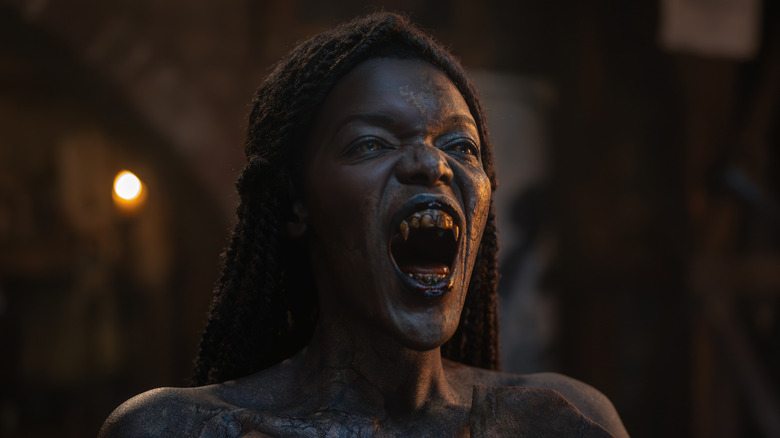
AMC's adaptation of Anne Rice's bloodsucking Gothic novel series "The Vampire Chronicles" has seen two major name changes over the course of four seasons. All of the changes make sense, though, and they're all drawn from the titles of Rice's books. "Interview With the Vampire," which had previously been adapted into a film starring Tom Cruise and Brad Pitt, premiered on TV in 2022.
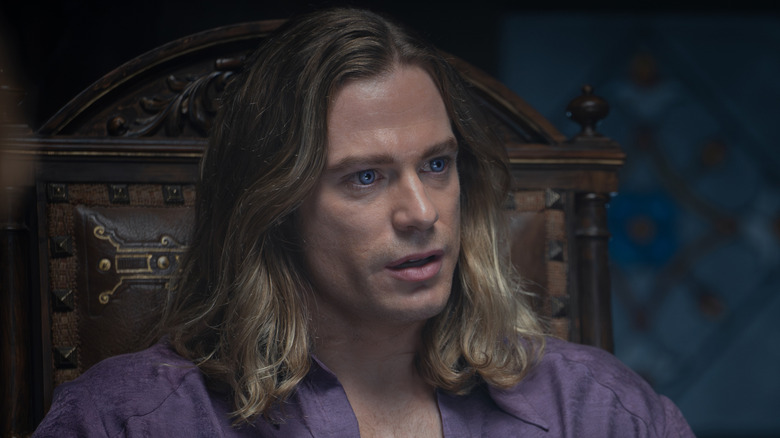
The first two seasons were from the perspective of Louis de Pointe du Lac (Jacob Anderson) as he recounted his experience of having been turned into a vampire to a journalist. The third season, however, shifts the POV to that of Lestat de Lioncourt (Sam Reid), the vampire who turned him. Hence, "The Vampire Lestat," which is also the name of the second book in Rice's series. In an interview with Entertainment Weekly, showrunner Rolin Jones called the full name change "a no brainer."
"What are we going to call it? 'Interview With the Vampire: The Vampire Lestat'? You can't get that out," Rolin said, adding that he didn't think any viewers of the show would be confused by the new name. At 2026's San Diego Comic-Con, news broke that the fourth season would follow Akasha, the first vampire, who is played in the show by Sheila Atim. The name of the series is getting changed to that of the next book, "Queen of the Damned."