

10 Best FX Shows Of All Time, Ranked
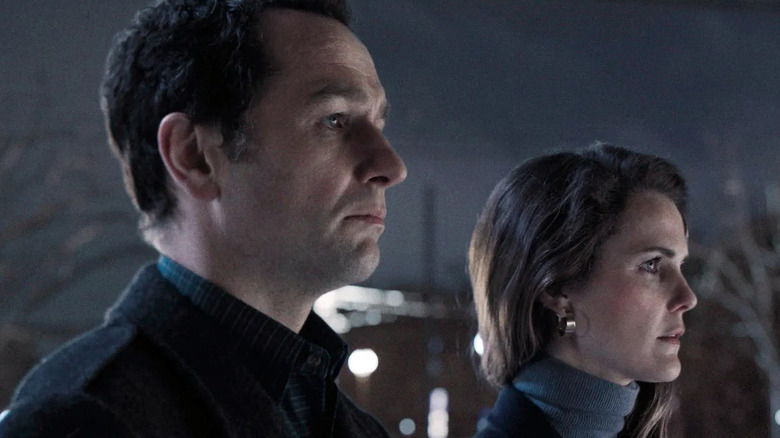
Ever since it began airing original programming, FX has excelled at comedy, drama, animation, and limited series, pushing the boundaries of basic cable storytelling. The network has given auteurs the freedom to tell personal stories, subverted traditional genre conventions, and dove headfirst into edgy subject matter. Its series have explored moral ambiguity and social complexity, centering antiheroes and outlaws over clean-cut protagonists. These series have also highlighted marginalized voices, bringing a wider range of perspectives to the screen.
FX's standard of quality has been so consistent over the years that it can be difficult to single any one show as the very best. Yet a select few stand out as emblematic of the fearlessness the network has tried to uphold. When assembling this list, we considered the various genres FX has specialized in and picked shows that best exemplify what makes the network distinctive. We picked comedies that broke the mold, dramas that tackled challenging subject matter, animated shows that defied the medium, and anthology series that played like great cinema. More than anything, we looked for shows that remained consistently great throughout their runs, holding true to the FX standard of excellence.
Here are the 10 best FX shows of all time, ranked.
10. Damages
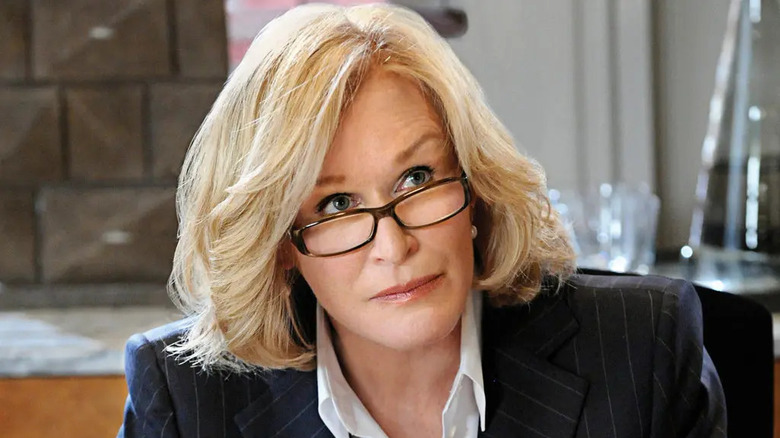
Though its final two seasons aired on the Audience Network rather than FX, "Damages" remains deliciously addictive. Created by Todd A. Kessler, Glenn Kessler, and Daniel Zelman, "Damages" revolves around cunning attorney Patty Hewes (Glenn Close) and her protégé, Ellen Parsons (Rose Byrne). Each season centers on a different case involving the two women, testing their professional mettle and volatile relationship.
One of the best TV shows with non-linear narratives, "Damages" keeps audiences guessing with flashbacks, flash-forwards, and false leads. Although its story arcs are complex, the writers trusted the audience to keep up, and each season finale features a deeply satisfying reveal that doesn't feel like a cheat. In that way, "Damages" offers a fresh take on the legal drama, departing from the genre's more conventional formulas.
The true pleasures of "Damages" are the performances, particularly Close, who won two Emmys for her delectably diabolical portrayal of a master manipulator. Unlike more virtuous TV attorneys, Patty Hewes isn't above destroying someone's life in order to win a case, including Ellen's. That she is so good at her job makes her all the more compelling to watch, and it's what elevates "Damages" into the upper echelon of legal thrillers.
9. What We Do in the Shadows
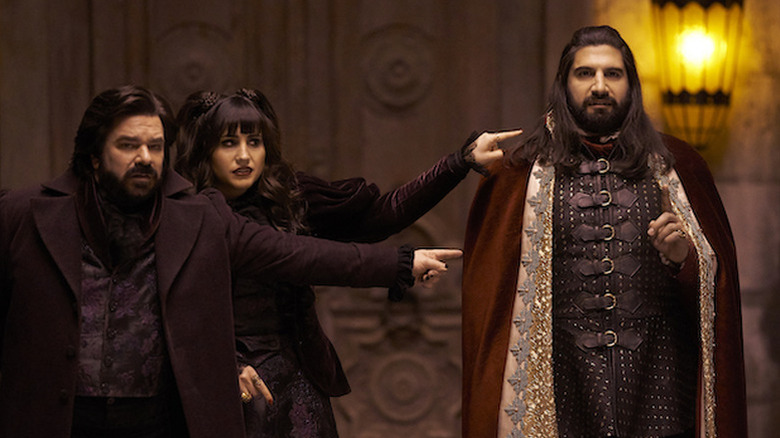
There have been many great TV shows based on movies, from "M*A*S*H" to "Buffy the Vampire Slayer." One of the very best is "What We Do in the Shadows," a television adaptation of Jemaine Clement and Taika Waititi's 2014 vampire comedy. Presented as a mockumentary, the series follows four vampires — Nandor the Relentless (Kayvan Novak), Laszlo Cravensworth (Matt Berry), Nadja of Antipaxos (Natasia Demetriou), and energy vampire Colin Robinson (Mark Proksch) — as they navigate the mundanity of life in Staten Island with their long-suffering familiar Guillermo (Harvey Guillén).
Finding a new take on vampires can be challenging, yet "What We Do in the Shadows" does just that by leaning into classic lore while gleefully satirizing it. The series explores the monotony that comes with immortal life, as the centuries-old roommates bicker about baggage from the days of the Ottoman Empire. At the same time, it's about found family, a horror version of a typical sitcom ("Friends" with fangs). The show ended with Season 6, long before it had time to wear out its welcome. However, we would gladly invite these bloodsuckers back into our homes for a revival.
8. Justified
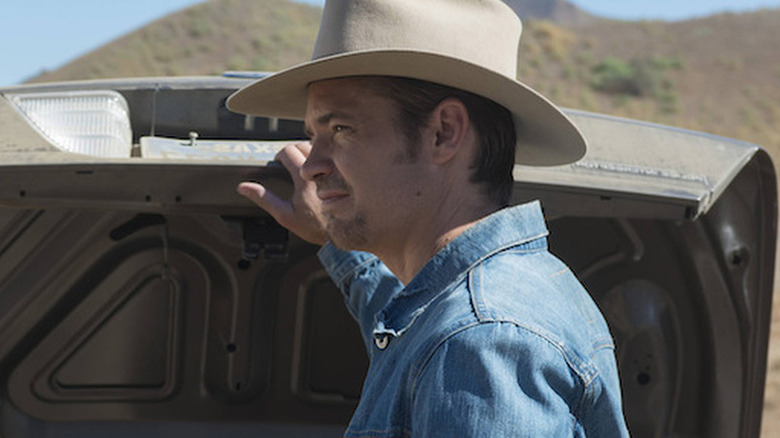
The works of Elmore Leonard have been the basis for many great movies, including "Get Shorty," "Jackie Brown," and "Out of Sight." They've also produced a great TV show: the modern-day Western "Justified." Developed by Graham Yost, it centers on Deputy U.S. Marshal Raylan Givens (Timothy Olyphant), an Old West-style lawman trapped in a modern world. After getting slapped on the wrist for the "justified" shooting of a mob fugitive, Givens is reassigned to the U.S. Marshals Service's Lexington office in Kentucky, bringing him back to the criminal underworld of Harlan County he'd long since left behind.
Adapted from several Raylan Givens novels and short stories, "Justified" captures the essence of the greatest Leonard books, which are filled with colorful characters, lively dialogue, and breezy crimes. The series has an incredible sense of atmosphere, leaning into the Southern Gothic pulp and neo-noir luridness of great crime thrillers. More than anything, it was a showcase for many talented performers; Margo Martindale and Jeremy Davies won Emmys, while Walton Goggins was provided with one of his definitive roles as charismatic outlaw Boyd Crowder. Although the show ended in 2015, it returned in 2023 with the limited series "Justified: City Primeval," which transplants Raylan from his base in Miami to the streets of Detroit.
7. Fargo
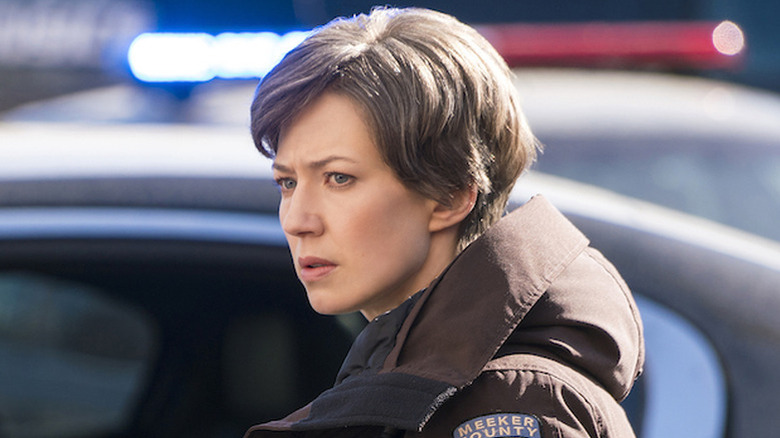
FX has no shortage of great anthology series, but the best of the bunch is undoubtedly "Fargo," which uses the bones of the Oscar-winning Coen brothers film as a springboard for stories of small-town crime. As created by Noah Hawley, each season of "Fargo" tells a self-contained saga that takes place within the same universe as the movie, featuring minor overlaps to tie each installment together. Although they all center on different characters across several decades, each one involves cops, criminals, and ordinary people who often find themselves involved in violence and mayhem after making one bad decision.
Whereas most anthology series taper off after a brilliant first season or two, "Fargo" has remained consistently good throughout, with even its worst installment outshining most of what else is on TV. The best seasons of "Fargo" have the look and feel of a great Coen brothers movie, with comedy and carnage melding in perfect harmony. More than anything, the show shares the directing duo's bleak outlook on an unforgiving universe, and their insistence that there's no escaping the consequences of your actions. Hawley has also created a Coens-worthy cast of eccentric characters, from Billy Bob Thornton as hitman Lorne Malvo to Ewan McGregor as estranged brothers Emmit and Ray Stussy.
6. Better Things
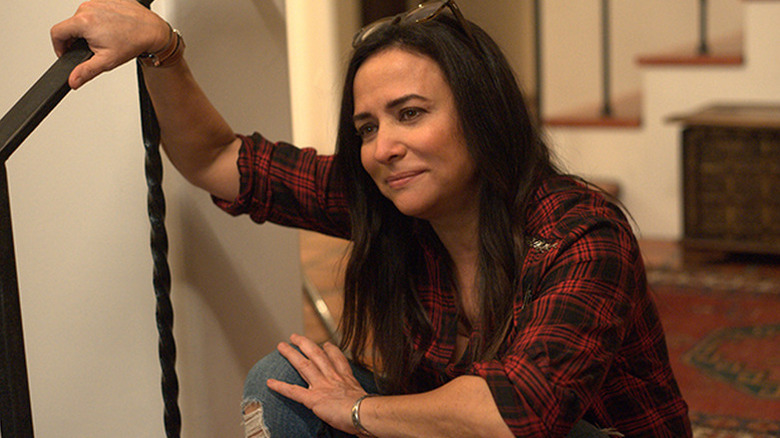
The premise of "Better Things" couldn't be simpler. Divorced single mom Samantha Fox (Pamela Adlon) struggles to maintain her acting career while raising her three daughters, Max (Mikey Madison), Frankie (Hannah Alligood), and Duke (Olivia Edward). It just goes to show that you don't need much to achieve greatness. Created by Adlon and Louis C.K., "Better Things" makes the ordinary extraordinary, mining comedy and pathos from low-concept stories about single parenthood and the realities of aging in Hollywood. It is also a deft examination of intergenerational female relationships, as Sam's mother, Phyllis (Celia Imrie), serves as a constant reminder of her own potential shortfalls as a parent.
As the series progressed, Adlon took on a more authorial role, directing every episode from Season 2 through Season 5 (the show's last). In that way, "Better Things" is a true example of auteur television, as its star and co-creator filtered everything through her own unique point of view. Adlon's skills behind the camera were matched by her talent in front of it, and she earned two Emmy nominations for her messy, grounded, and deeply empathetic portrayal of Sam. In a lineup that includes more high-concept comedies, "Better Things" finds originality in everyday life, which is perhaps the most radical thing about it.
5. Archer
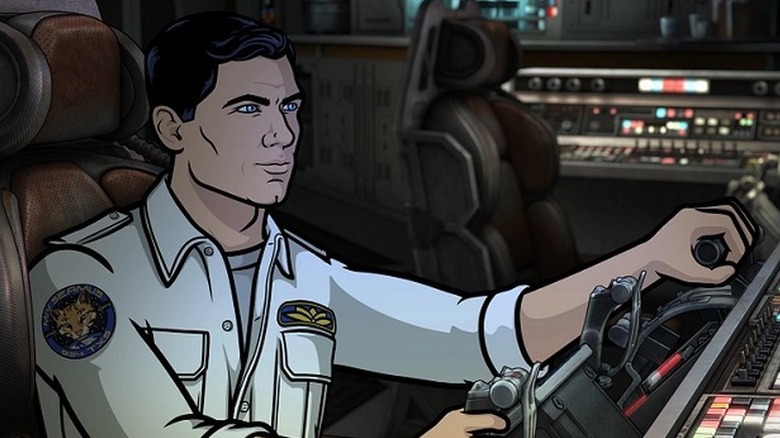
Considering how famous Fox is for animated sitcoms, it made sense that its then-sister cable network FX would branch into the format. As is the case with the Fox cartoons, FX's "Archer" is one of the best animated shows for adults, uninhibited by broadcast television's stricter content standards. Created by Adam Reed, it centers on Sterling Archer (H. Jon Benjamin), a hard-drinking, womanizing secret agent whose ego is matched only by his recklessness. Archer and his bumbling band of misfits fumble their way through one mission after another, somehow managing to survive the fallout.
Taking its inspiration from James Bond and Cold War-era thrillers, "Archer" began as a satire of the martini-swilling ladies' men of spy fiction. As the series progressed, it expanded beyond its original premise in favor of a deeper exploration of Archer's psyche, transforming from a workplace comedy into something more closely resembling an anthology series. When Archer falls into a coma at the end of Season 7, the show sends up genres ranging from 1940s noir to sci-fi, eventually returning to its spy-comedy roots in its later seasons to examine a man out of step with a changing world. It's the kind of stuff you can only get away with in animation, which makes "Archer" such a refreshingly original entry in the FX lineup.
4. Atlanta
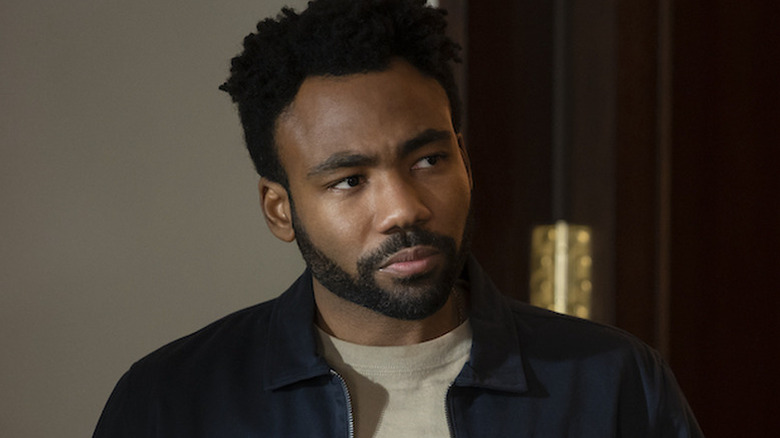
To say that Donald Glover's "Atlanta" is about the hip-hop industry is misleading, to say the least. Sure, the pilot finds Earnest "Earn" Marks (Glover) trying to make a better life for himself by managing the burgeoning rap career of his cousin, Alfred "Paper Boi" Miles (Brian Tyree Henry), and that narrative thread is often explored in subsequent episodes. Yet, it's just the launching pad for a surreal, freewheeling comedy that eschews all conventions of traditional dramatic storytelling. The adventures of Earn, Alfred, Darius (LaKeith Stanfield), and Van (Zazie Beetz) are wild, weird, and totally unpredictable.
You never knew what you were going to get each week with "Atlanta," as most episodes function as standalone short stories focused on existentialism, the Black experience, and the pitfalls of fame. The show was given to flights of fancy, from Glover playing a horrific Michael Jackson proxy in "Teddy Perkins" to Katt Williams unleashing an alligator against the police in "Alligator Man." Thanks to the efforts of Glover and frequent director Hiro Murai, "Atlanta" is as stylistically daring as it is narratively adventurous, shaking up the format in nearly every episode. It's that sense of freedom that makes "Atlanta" not just one of the best FX shows, but one of the best TV shows of the 21st century.
3. It's Always Sunny in Philadelphia
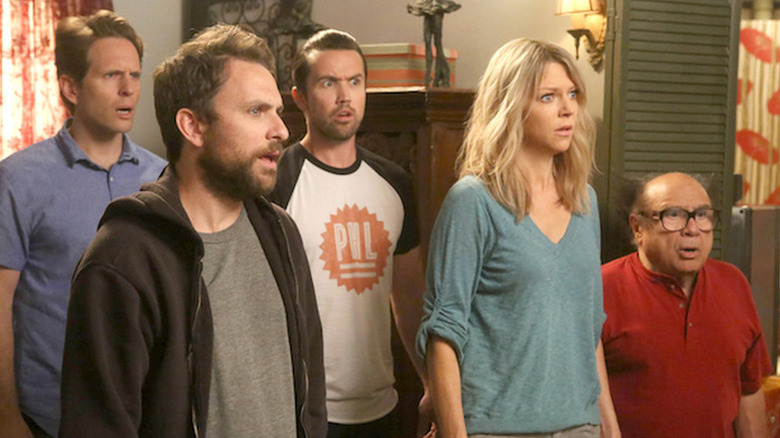
If not the greatest FX show of all time, "It's Always Sunny in Philadelphia" is at least the most FX show of all time, considering it's been on the air since 2005 (making it one of the 15 longest-running shows on American TV). That's pretty remarkable given its humble beginnings as a shot-on-the-cheap black comedy about a group of deeply unlikable friends operating an Irish dive bar in Philadelphia. Over the years, Charlie (Charlie Day), Dennis (Glenn Howerton), Mac (Rob McElhenney), Dee (Kaitlin Olson), and Frank (Danny DeVito) have fought, schemed, and destroyed the lives of everyone unlucky enough to come into contact with them, engaging in depravity the likes of which would scandalize the Marquis de Sade.
Created by McElhenney, "It's Always Sunny" was initially shot on low-grade DV cameras for as little money as possible. Although its production values have been upped since then, it's never lost the grungy, grimy charm that made it a cult success. Even as comedic sensibilities have changed, "It's Always Sunny" has remained gleefully offensive, with its sharpest barbs aimed at its own gang of misfits. It's also a surprisingly insightful satire of class and wealth inequality, as the gang's attempts to get ahead expose their selfishness and warped understanding of the world around them. In that way, they're a funhouse-mirror reflection of our own worst impulses.
2. The Shield
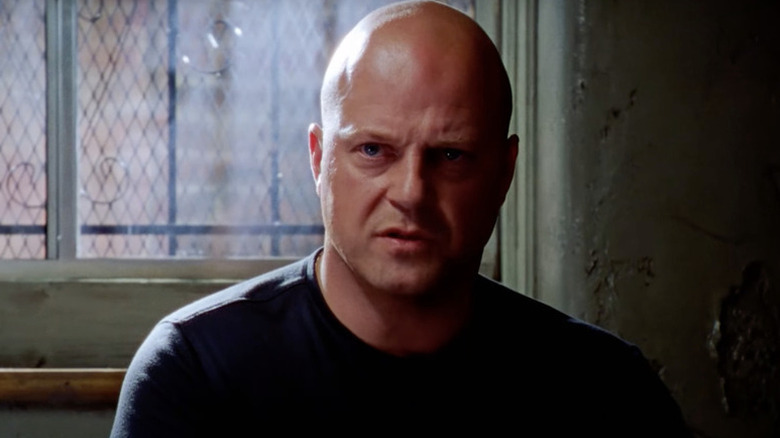
Before "The Shield," FX was primarily a place to catch reruns of network TV shows like "The X-Files" and "The Practice." After the fledgling basic cable network premiered its first original drama series, it suddenly became a haven for boundary-pushing dramas that were too hot for its broadcast counterpart, Fox. The brainchild of creator Shawn Ryan, "The Shield" was like a shot of adrenaline to the TV cop drama, following the exploits of a corrupt Los Angeles police unit that regularly breaks the law while seeking to uphold it. Front and center is Detective Vic Mackey (Michael Chiklis), who murders a fellow detective in the first episode to avoid an investigation into his own dirty dealings.
One of the greatest corrupt-cop TV shows of all time, "The Shield" stands in stark contrast to police dramas that paint good and evil in black and white. Mackey is at times more immoral than the criminals he's tracking down, hiding his unscrupulousness behind the safety of a badge. Chiklis won an Emmy for his performance as Mackey, which is shocking in its naked sociopathy. However, there's also a softer side to the hulking menace that comes out when he's with his children, who would be shocked to discover what their father really does on the job. "The Shield" argues that good and evil exist within us all, and those distinctions become blurry between cops and criminals.
1. The Americans
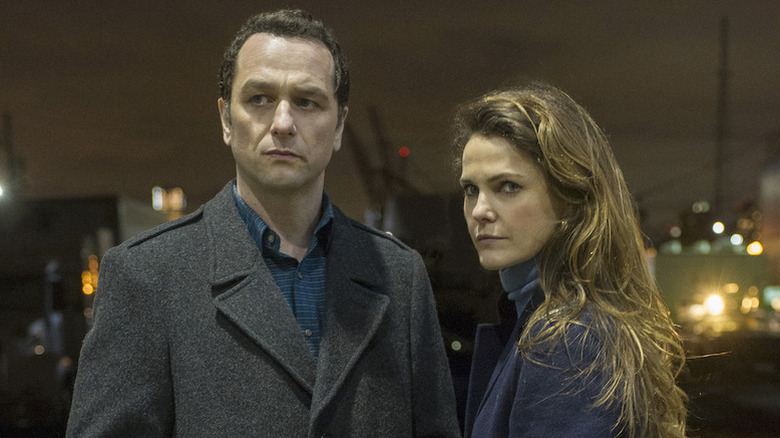
Great as many FX shows are, few have maintained such consistent quality as "The Americans." From Season 1 to Season 6, the Cold War spy series never lost steam, and it stuck the landing with one of the all-time best series finales. Created by former CIA officer Joe Weisberg, it centers on Philip and Elizabeth Jennings (Matthew Rhys and Keri Russell, who became real-life partners), Soviet KGB agents posing as an all-American couple in 1980s suburban Virginia. As fate would have it, their neighbor is none other than Stan Beeman (Noah Emmerich), an FBI counterintelligence agent who befriends Philip, little knowing he's his ideological enemy.
What makes "The Americans" so brilliant is its seamless blend of espionage thriller and domestic drama. The typical conflicts that play out in a marriage are amplified by the added element of international intrigue, and it's all the more interesting for the ideological differences between Philip, whose loyalty to the cause is complicated by his growing attachment to American life, and Elizabeth, who remains more steadfast in her commitment to the Soviet mission. Raising kids is hard enough, but what do you do when your teenage daughter (Holly Taylor) learns her seemingly American parents are secretly Soviet spies? Do you bring her into the mission, or do you allow her to chart her own destiny? That dramatic conflict is central to what made "The Americans" so unique and so watchable each week.