

15 Most Underrated Miniseries Of All Time, Ranked
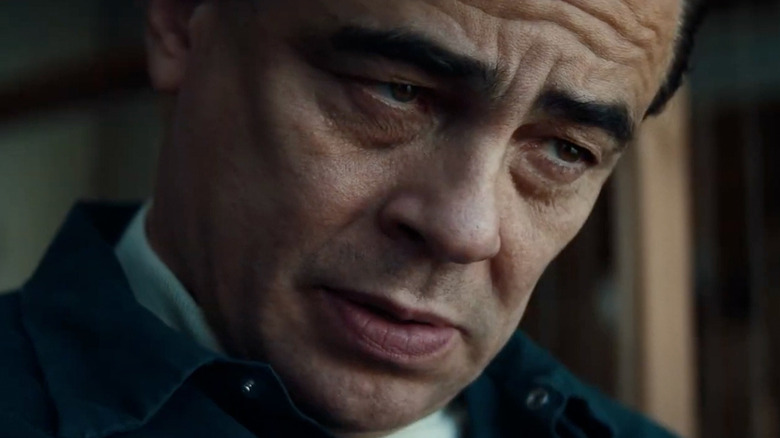
As television grew more prestigious as a medium, so too did the miniseries. That doesn't mean Hollywood has been perfectly diligent in making sure the form's best efforts gain the recognition they deserve.
The miniseries below, ranked from least to most underrated, are largely overlooked in today's entertainment discourse. Many are older series from the '80s and '90s that, while appreciated in their time, have fallen by the wayside compared to their contemporaries, successors, and imitators. More recent selections got lost in the craze of the content gold rush, spending their entire life cycle as overlooked posters in a streaming backlog. What they all have in common is that they aren't just underrated — each of these series has a place among the best miniseries ever made. Our ranking was primarily determined not by how great a series was, but how much it was overlooked compared to the quality of its craft.
15. The Pacific
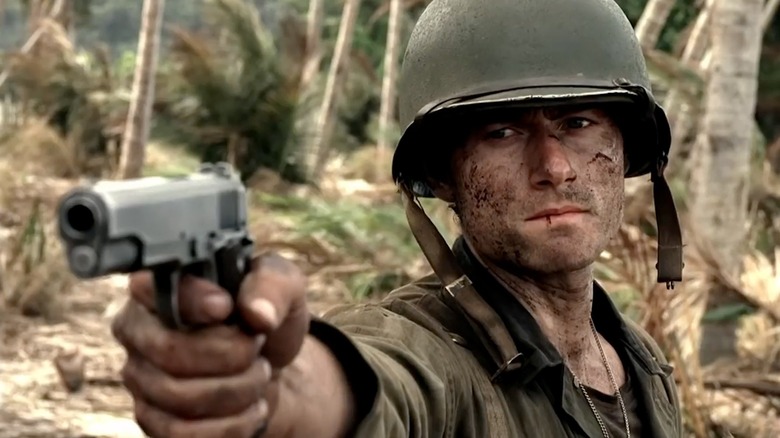
If you have yet to see either "Band of Brothers" or its follow-up, "The Pacific," you likely won't meet any TV fan who will tell you to watch the latter without watching the former. Steven Spielberg and Tom Hanks' original World War II drama is regarded as a masterpiece — one of the greatest stories ever made for the small screen. "The Pacific" is remembered as pretty good TV that couldn't possibly hope to meet the same standards. In terms of individual character depth and complexity, we'd argue "The Pacific" exceeds what "Brothers" accomplished.
"The Pacific" does not function as the floor of our list because it's the worst show here. Some may argue it's significantly better than entries higher on this list, and they may be right. Its placement is due to the fact that, when it was released, it was actually fairly acclaimed. It won eight Emmy Awards (one more than "Band of Brothers'"), including Outstanding Miniseries.
Over 15 years later, however, "The Pacific" is rarely talked about on its own terms. While we at TVLine consider it to be one of the best war shows ever made, it largely serves as a point of comparison to "Band of Brothers," almost always in conversations about how its predecessor remains the obvious pinnacle of the war genre. The arguable separation between the two isn't as clear as keyboard warriors imply.
14. Mildred Pierce
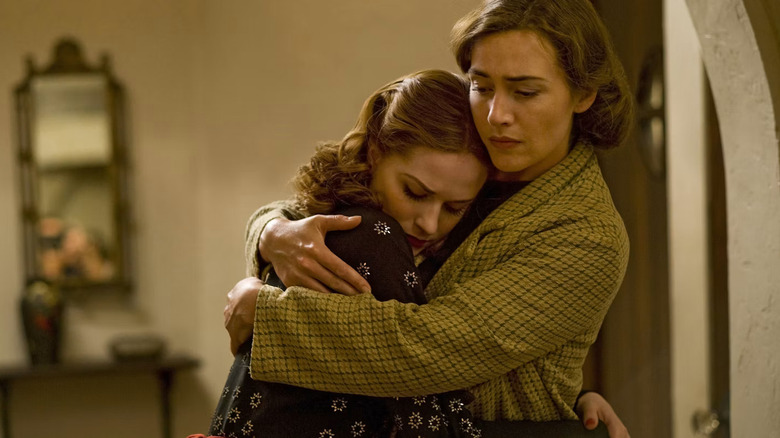
HBO's adaptation of "Mildred Pierce" is sad proof that a miniseries can be helmed by a respected movie director, cast with major recognizable actors, earn a bevy of Emmy nominations, and still get lost in the conversation. Directed by Todd Haynes and written by Haynes and Jon Raymond, the haunting 2011 historical drama miniseries stars Kate Winslet as the titular character — a struggling single mother obsessed with her manipulative daughter (Evan Rachel Wood).
Haynes — now celebrated for films like "Carol" and "May December" — restrains his story to the nigh-psychological horror of this mutually destructive mother-daughter relationship. It's significantly more faithful to the book than the 1945 film, despite being less popular. Mildred Pierce remains Joan Crawford, not Kate Winslet. Winslet, for that matter, is nothing short of exceptional throughout, as is Wood opposite her. The two deliver career-highlight performances.
"Mildred Pierce" debuted to disappointing ratings that only continued to decline. Counting all major and minor categories, it was the most-nominated series at the 63rd Emmy Awards. Even after Winslet won for Outstanding Lead Actress in a Miniseries, the show was entirely drowned out by the buzz from "Mad Men" and "Downton Abbey." Today, we rank it among the best miniseries HBO has ever produced.
13. Lonesome Dove
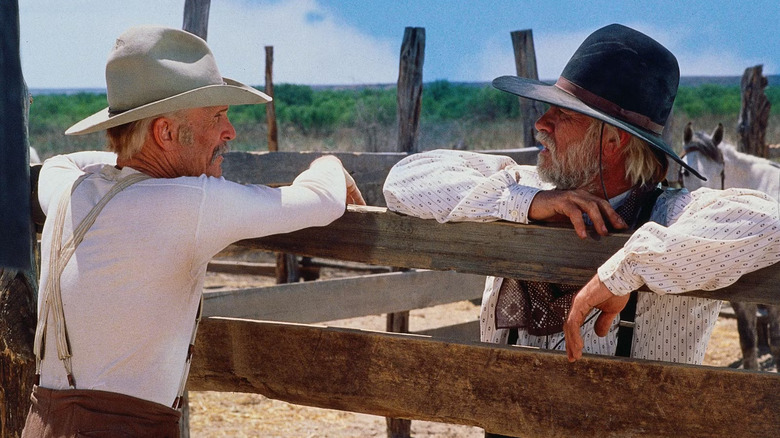
Diehard fans of the Western genre — especially those who grew up in the '80s — are surely aware of "Lonesome Dove." Robert Duvall and Tommy Lee Jones star as retired Texas Rangers who abscond with a herd of stolen cattle on a dangerous journey to Montana. The 1989 miniseries wasn't putting up "Dallas" or "Roots" numbers in terms of viewership, but it was watched by over 26 million households when it originally aired. Western aficionados and entertainment academics alike praise it as a defining Western television epic.
Outside these relatively small circles, "Lonesome Dove" is an oft-overlooked bit of trivia in the development of subsequent Western series that are far more popular with audiences today (for example, Taylor Sheridan credits the miniseries and the original Larry McMurtry novel as foundational in his path toward becoming a screenwriter and co-creating the dominant "Yellowstone" franchise). It's a shame the contemporary revitalization of the genre hasn't revived broader interest in "Lonesome Dove," especially given how much it meant to Duvall, who passed away in 2026.
12. The Singing Detective
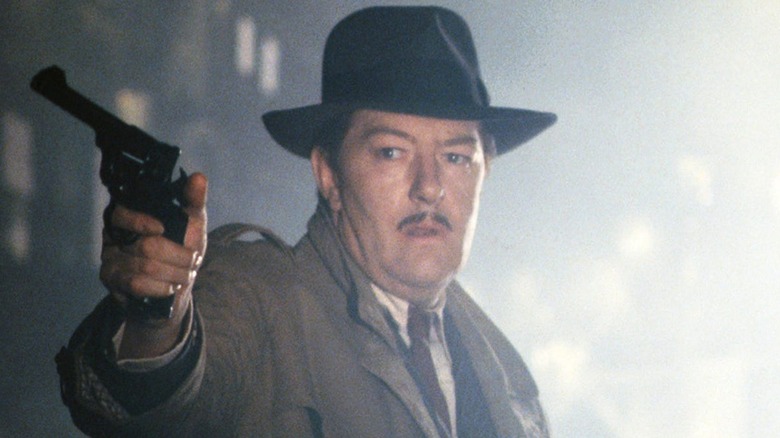
"The Singing Detective" is the sort of show critics will tell you is foundational and entirely forgotten in the same breath. Michael Gambon (of "Harry Potter" fame) stars as Philip Marlow, a bedridden crime novelist suffering from severe psoriatic arthritis. In delirious bouts of extreme pain, Marlow experiences vivid dreams and hallucinations — in most of them, he's the title character in his novel, "The Singing Detective."
The way these cascading realities are depicted, as well as how they narratively inform each other and Marlow's real life, was a strikingly ambitious stylistic choice at the time. The series was also remarkable for its unique blend of genres and mature themes — it was prestige TV before that was even a thing. There would be no "Twin Peaks" or "The Sopranos" without "The Singing Detective," yet you'd be hard-pressed to find it included on most all-time "Best Of" lists online.
An element of its cultural disappearing act was its extremely limited U.S. distribution. PBS wouldn't air the series nationally without substantial edits — a nonstarter for creator-writer Dennis Potter. The first time most American audiences encountered "The Singing Detective" was through a regrettable 2003 film adaptation (starring Robert Downey Jr.), which bombed critically and commercially.
11. Our Friends in the North
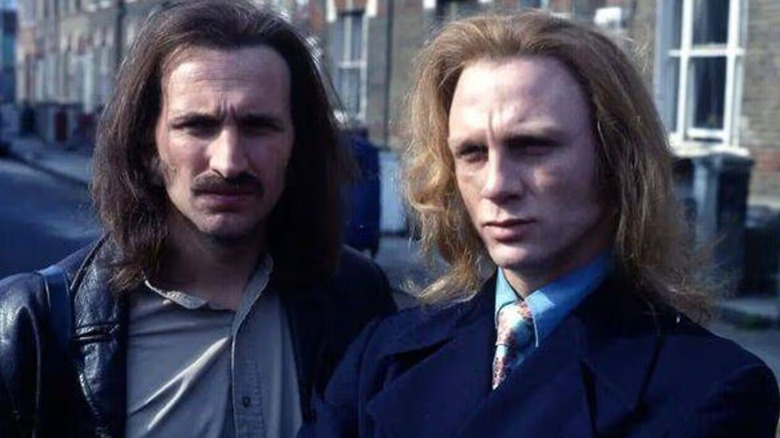
It can at least be said that "Our Friends in the North" has a more solid contemporary reputation in the U.K. If nothing else, the British series is credited with making its now-stacked ensemble famous — particularly Christopher Eccleston and Daniel Craig, who would each go on to help revive the country's two most popular media franchises as Doctor Who and James Bond. The series also starred Gina McKee and Mark Strong. The four of them play a group of close friends, the series following them over the course of the three decades as their lives diverge onto difficult and radically different paths.
The show is genuinely gutting and brilliantly acted, but few outside the BBC are championing it as one of the greatest miniseries of all time. American fans have likely never even heard of it, unless they happen to have a well-used BritBox subscription — and even then, it lacks the transatlantic name recognition of other '90s BBC series, like "Keeping Up Appearances" or the Colin Firth "Pride and Prejudice" miniseries. It's one of the best British series of all time, yet one of the few that have failed to make a dent internationally.
10. The Corner
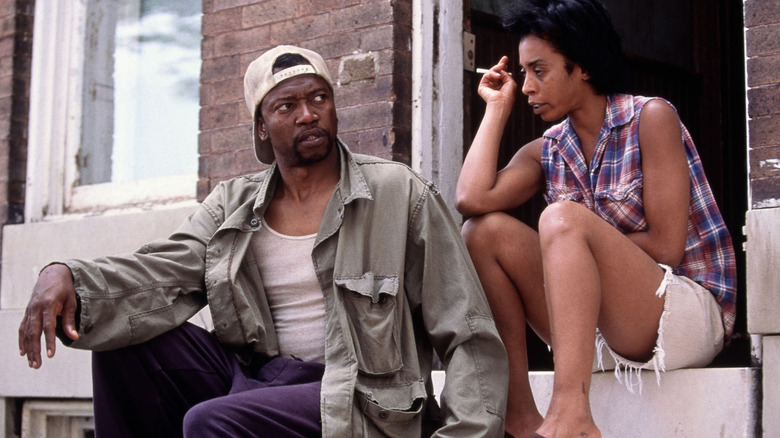
Part meta documentary, part crime drama, "The Corner" exposes the world of the Baltimore drug trade in a way no other series has — not even "The Wire." Where the latter, culturally ubiquitous series takes a more traditionally character-driven approach to its subject matter, "The Corner" breaks traditional narrative conventions to remind the viewer that the world they're witnessing from the comfort of their couch is someone else's reality. It's a more difficult watch than "The Wire," and necessarily so.
"The Wire" and "The Corner" don't just invite comparison because of their shared subject matter. David Simon wrote "The Corner" just a few years before he created "The Wire." "The Corner" won three Emmys, including Outstanding Miniseries, while "The Wire" lost both of its measly two nominations throughout its five-season run. No one is arguing that "The Wire" is an inferior show because of a lack of hardware — only that the disparity between the shows proves that Emmy wins don't make a legacy alone. "The Wire" completely overshadowed "The Corner" rather than elevating it, reducing a singular, groundbreaking piece of TV to a footnote.
9. Edge of Darkness
In 2009, filmmaker Troy Kennedy Martin passed away. Most obituaries understandably led by describing him as the man behind "The Italian Job" or (in British publications) the BBC police procedural "Z-Cars." His 1985 miniseries "Edge of Darkness" was better than both.
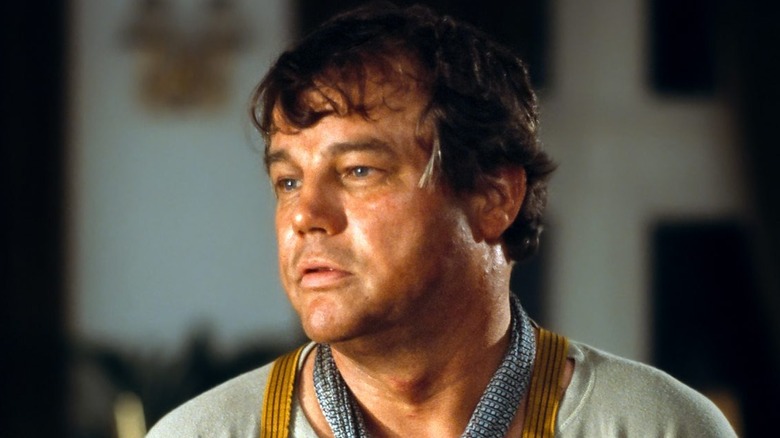
The six-part crime thriller follows Detective Ronald Craven (Bob Peck) as he investigates the murder of his activist daughter. He treads down a paranoid path, working alongside a CIA agent (Joe Don Baker) to uncover an international corporate conspiracy that threatens the lives of workers and citizens alike. It was explicitly written with contemporaneous political issues in mind, making it something of a historical drama in retrospect. While it did manage to secure international broadcasting via PBS, it didn't leave much of a footprint in America.
8. State of Play
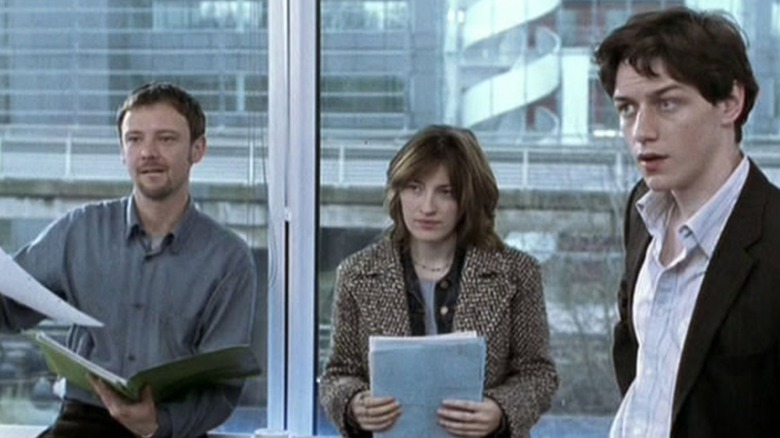
If you ask an American if they've seen "State of Play," the odds are strong that they will assume you're asking them about the 2009 film. It was better received than the previously mentioned adaptation of "The Singing Detective" — it still doesn't hold a candle to the original BBC miniseries.
The six-part conspiracy thriller follows the efforts of British journalists as they investigate an apparent connection between two otherwise unrelated deaths. The amount of rising talent in the ensemble is stunning — veteran Bill Nighy shares the screen with the likes of John Simm and Philip Glenister (years before "Life on Mars"), future American TV stalwarts Kelly Macdonald and David Morrissey, Marvel Studios actor Benedict Wong, and a pre-"X-Men" James McAvoy. Behind the camera were director David Yates (now best known for his work in the "Harry Potter" franchise) and writer-creator Paul Abbott, who is far better known for creating the original "Shameless."
Practically everyone involved went on to better things — but where "Our Friends in the North" is at least cited as an origin story for some, "State of Play" isn't remembered as anyone's breakout project. It deserves a much stronger reputation as a high-water mark for the entire cast.
7. Escape at Dannemora
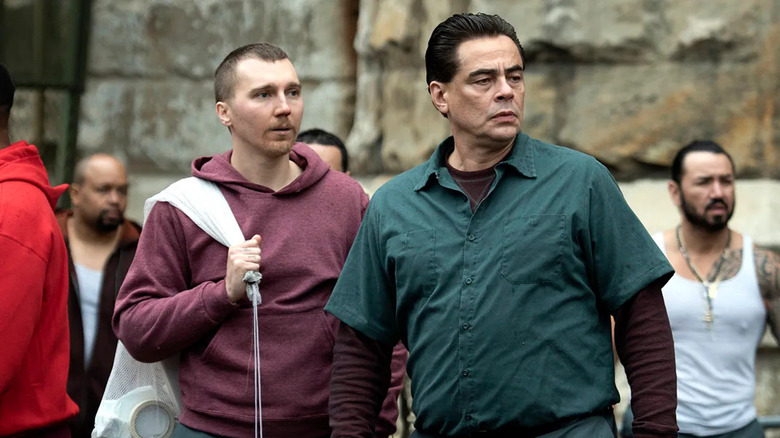
Before Ben Stiller helped bring "Severance" to life on Apple TV, the actor-slash-director helmed one of the best series Showtime has ever produced. The 2018 miniseries "Escape at Dannemora" dramatizes a real prison break that took place just three years earlier. It was created by Brett Johnson and Michael Tolkin, with Stiller directing all seven episodes. They emphasize the disturbing psychosexual manipulation that led to the event — Patricia Arquette's performance as a prison employee seduced into helping two inmates is a quiet career highlight.
"Escape at Dannemora" earned 12 Emmy nominations in 2019. In the age of streaming and prestige TV, that should've been enough for it to break through and become one of the year's buzziest dramas — that is, if 2019 weren't unfortunately a ridiculously crowded year for miniseries specifically. "When They See Us" and "Chernobyl" in particular edged "Dannemora" out of the conversation. It went zero-for-12 at the ceremony, while the night's two-time-nominated actor Patricia Arquette took home a statue for a different show altogether (Hulu's "The Act").
6. Alias Grace
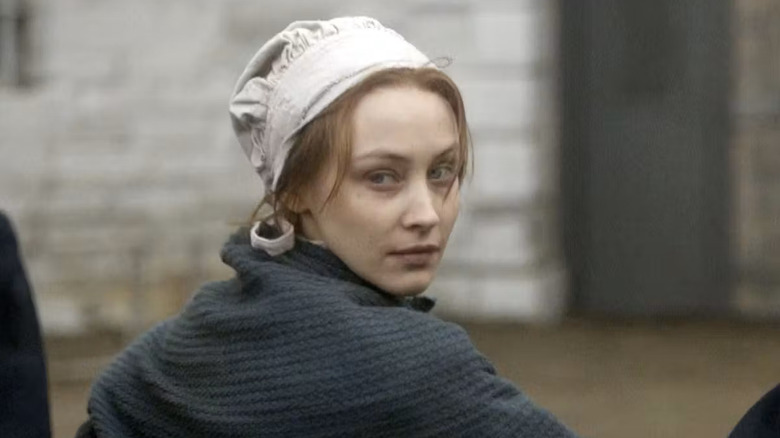
In 2017, two streaming services released adaptations of Margaret Atwood novels. "The Handmaid's Tale" became arguably the most culturally impactful series in Hulu's library, winning eight Emmys, including Outstanding Drama Series, in its first season. "Alias Grace" (produced by CBC and released in the U.S. by Netflix) had none of the political urgency or star power — but it was every bit as challenging and deserving of acclaim. Through the real story of convicted murderer Grace Marks (Sarah Gadon), the miniseries paints a brilliantly layered and unpredictable portrait of a woman who might be a murderer, a victim, or both at once.
"Alias Grace" competed the year before "Escape at Dannemora," but fared far worse in arguably thinner competition. The only title readers would broadly recall from the year was "The Assassination of Gianni Versace." "Alias Grace" was nonetheless snubbed entirely. Commentators at the time noted that, just as Netflix had failed to market the series, the streamer declined to run an effective Emmys campaign. With no awards and no buzz otherwise, it fell victim to the content catalog.
5. From the Earth to the Moon
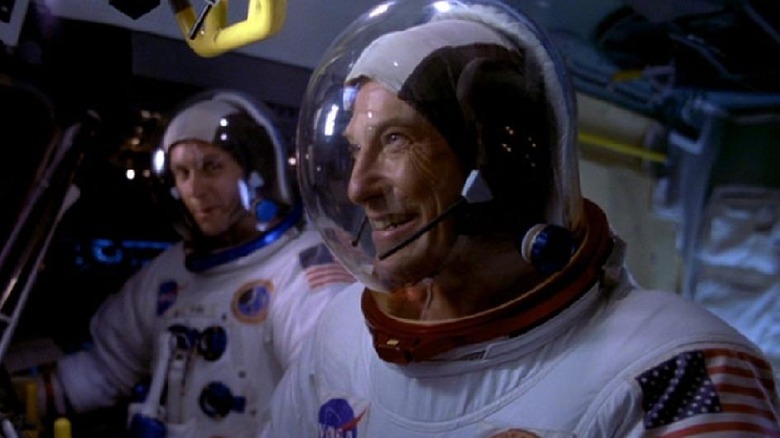
Did you think "The Pacific" was the only Tom Hanks-produced HBO historical drama swallowed by the shadow of "Band of Brothers?" Allow us to introduce you to "From the Earth to the Moon." The 12-part 1998 series explores the entirety of the Apollo space program, finding new, personal perspectives through which to tell the story (somewhat miraculously, it doesn't feel like a mere extrapolation of "Apollo 13," despite the involvement of Hanks and Ron Howard). The show's unprecedented budget is apparent in every scene — and it saved a pretty penny getting actors like Bryan Cranston before their small-screen breakouts.
"From the Earth to the Moon" was completed before "Band of Brothers," "The Wire," or "The Sopranos" aired, and played just as much of a role in HBO's influential rise as they did. It was the network's first series to get into the Outstanding Miniseries category at the Emmy Awards — a breakthrough that traditional broadcast networks, like NBC, CBS, and ABC, actively fought against. It won anyway, but is now not even remembered as a harbinger of the incoming era of high-budget, cinematic miniseries.
4. Tanner '88
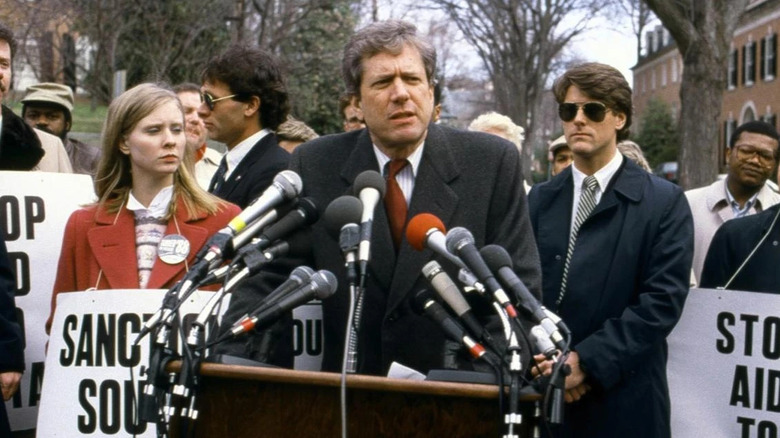
Director Robert Altman and writer Garry Trudeau crafted "Tanner '88" as a mockumentary long before the British "Office" popularized the subgenre in the 2000s. They also took a hyperrealistic approach to the story, blending the fictional presidential campaign of Jack Tanner (Michael Murphy) with the actual 1988 Democratic primary, in real time. The blurred distance between docuseries and comedy is what later creators — like Sacha Baron Cohen, Stephen Colbert (in his "The Colbert Report" days), and Nathan Fielder — built their careers on.
Then there are the ways it informed political TV shows moving forward. The idealistic depiction of political operatives inspired Aaron Sorkin as he fleshed out the characters in his seminal political drama "The West Wing." At the same time, the show's unglamorous portrayal of politicians and their campaigns effectively proved that the comedy of Britain's "Yes, Minister" could be mapped onto American politics — paving the way for "Veep" as well. All of this stems from an eerily sharp prediction from the creators that politics and entertainment would only become further intertwined as the media landscape evolved.
3. Devs
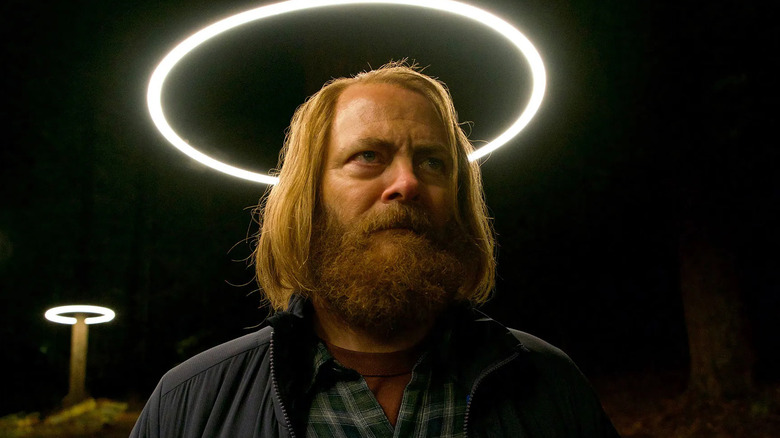
Perhaps the most underrated science fiction series of the past decade, Alex Garland's "Devs" is captivating and confounding by design. The acclaimed "Ex Machina" and "Civil War" director wrote and directed all eight episodes, a baffling feat that few TV creators have attempted, much less pulled off successfully. Even more risky was the show's narrative design — it's a murder mystery wrapped in and around a philosophical debate about free will and technology. What might've felt pretentious five years ago now reads as prescient.
Awards-wise, "Devs" aired late into the 2019-2020 season, which would've actually been pretty decent timing for a miniseries making a play for the top category — unless, of course, that golden March window happens to coincide with, say, a global pandemic that threatens to upend the future of the entertainment industry. Transportive, character-driven dramas, like "Little Fires Everywhere" and "Unorthodox," did fine, but a dense, dread-inducing, sci-fi existential crisis stood no chance. "Devs" was neither a critical darling nor a comfort watch, which allowed it to be dismissed in the pandemic era of streaming TV.
2. Station Eleven
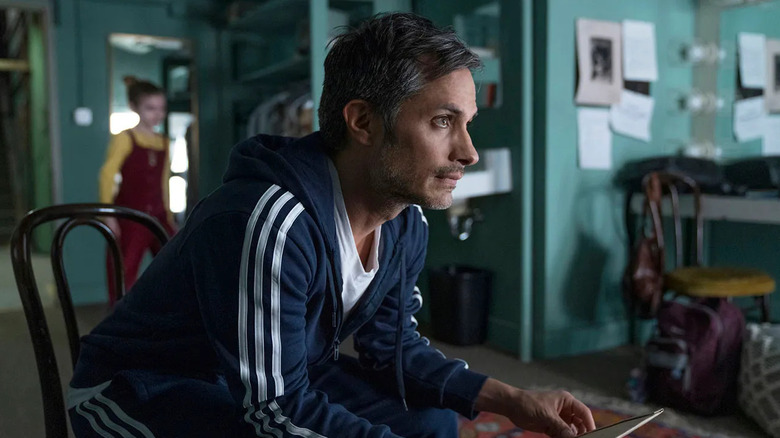
Depending on how you look at it, 2021 couldn't have been a worse or more perfect time for "Station Eleven" to come out. HBO Max's adaptation of Emily St. John Mandel's novel is set primarily in the distant aftermath of a global pandemic, wherein a wandering theater troupe survives by performing. In a vacuum, it's a powerful premise that doesn't resemble anything else in the canon of post-apocalyptic TV. The reason people don't talk about it likely has more to do with how closely it resembled the real world.
A series about the meaning of stories when the world shuts down resonated especially hard in 2021. But, this was also a time when restrictions were lifting, movie theaters were opening, and audiences were exhausted from sitting at home, consuming content. The only thing that was going to keep the anxious, stir-crazy masses indoors was the threat of emerging COVID variants — they likely didn't want to be reminded of the danger through "Station Eleven."
1. The Underground Railroad
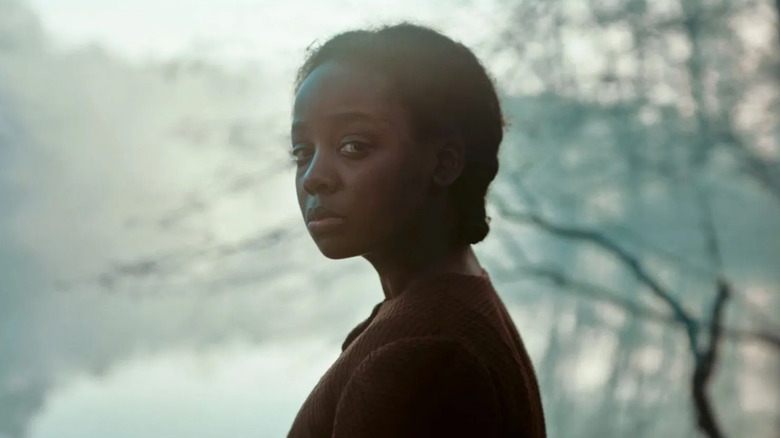
Historically, an Oscar-winning filmmaker might see television as a step backward. Barry Jenkins turned it into his most expansive and audacious work yet. In "The Underground Railroad," the "Moonlight" director adapts Colson Whitehead's Pulitzer Prize-winning novel, which reimagines the titular revolutionary movement as a literal subterranean railway system. It has an almost fantastical quality to it, combining escapist thrills with real historical import, through a visual presentation that redefines what it means when a TV show is referred to as cinematic. So why don't more people know about it?
We don't know precisely how many people did or didn't watch "The Underground Railroad." What we do know is that its absence from the broader pop culture discourse — particularly surrounding Emmy season — left a silence so deafening that Jenkins himself had to defend Amazon's support of the series.
It was the least-talked-about show by far of those nominated in the Outstanding Miniseries category that year. "The Queen's Gambit," "WandaVision," and "Mare of Easttown" were all obvious contenders from the moment they hit streamers — meanwhile, the excellent "I May Destroy You" even managed to overshadow "The Underground Railroad" in conversations about the year's most egregiously overlooked program. Five years later, the rest of the nomination pool is regularly discussed, praised, and revisited — "The Underground Railroad" has vanished by comparison, despite being one of the most successfully ambitious TV shows of the 2020s so far.