

5 Emmy-Winning TV Shows From The '80s That Still Hold Up Today
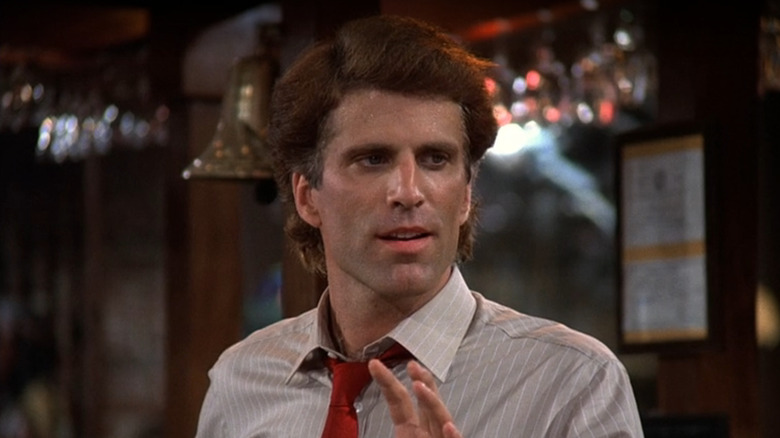
The 1980s often get a bad rap in pop culture. Aesthetically, the decade has recently been sanctified as the pinnacle of nostalgia — which is ironic, considering that, in terms of media quality, it's long been regarded as a decade filled with what the Peabody Awards once called "junk food." And yet, on television at least, it was also the decade when the medium started to grow up.
The Golden Age of Television and "prestige TV" in general owe everything to this decade. In addition to "Dallas" — which, despite its soapy schlock, set the template for the modern antihero — there were shows that changed the way we saw workplace sitcoms, medical dramas, and police procedurals for good. There were also shows that pushed the boundaries of what was acceptable to talk about on TV, from police misconduct to the AIDS crisis.
While these series weren't always ratings hits, they enjoyed unprecedented institutional support, both from networks and awards like the Emmys. The industry believed in them, and believed that their mere existence could help establish television as a medium for serious art. And the industry was right, too — as these programs are still highly entertaining today.
Hill Street Blues
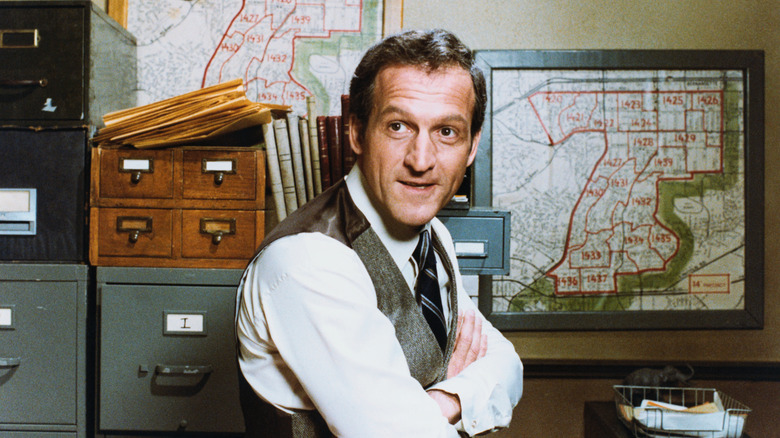
If there's any TV series on this list worth urgently seeking out four decades later, it's "Hill Street Blues." When the NBC police procedural premiered in 1981, the serialized narrative format was rare within the medium, especially for open-ended ongoing series. Overarching storylines were considered risky for an era when people watched TV for comfort rather than for keeping up with the lives of a large ensemble of characters. Of course, what was once a gamble is now something we take entirely for granted in the contemporary media landscape — this is just one of the many reasons why, before "The Sopranos" or "The Wire," "Hill Street Blues" is the blueprint for the modern prestige TV drama.
Over seven years, "Hill Street Blues" earned 98 Emmy nominations and won 26 awards. It was the most nominated series at the 33rd Emmys in 1981, and nearly became the first-ever drama series to sweep the seven major categories. It won all but Outstanding Supporting Actress, which went to future "Sopranos" actor Nancy Marchand for "Lou Grant." ("The Crown" achieved the first total sweep in 2021, though that deserves an asterisk given that the pool was arguably less competitive due to a steep decline in category submissions caused by the impact of COVID.) "Hill Street Blues" is tied for the record of most Outstanding Drama Series wins with "L.A. Law," "The West Wing," "Mad Men," and "Game of Thrones."
What's even more extraordinary relative to the time period is that "Hill Street Blues" wasn't as popular as its peers. But NBC produced seven seasons of it anyway. This proved that TV was maturing past the need to chase ratings, and that networks could champion groundbreaking work when it presented itself.
St. Elsewhere
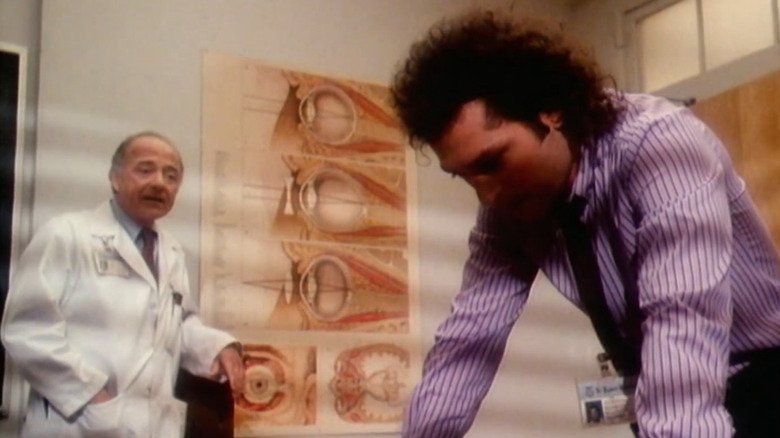
Made by MTM, the same production company responsible for "Hill Street Blues," NBC's "St. Elsewhere" is just as important to the medium of television and its respective genre. The series transported the former show's serialized ensemble drama format into the medical procedural genre — and, audaciously, added a hefty dose of grit that was missing from other hospital shows on TV.
Where every other fictional hospital was a place where brilliant doctors dispatched a case per week with relative ease, "St. Elsewhere" was where near-lost causes fought for a shot at survival. Before "Grey's Anatomy" and "The Pitt," this series bet that audiences could handle the complexity of the medical profession without it reading as incompetence. And, speaking of competence, the casting department filled the ward with a ridiculous amount of then-unknown talent — new viewers can look forward to seeing Howie Mandel, David Morse, Helen Hunt, and more in prominent roles before they became megastars.
"St. Elsewhere" was nominated for 62 Emmy Awards over the course of its six-season run from 1982 to 1988. It won 13, most notably in performance categories for stars William Daniels, Ed Flanders, and Bonnie Bartlett. Despite being nominated for Outstanding Drama Series for six out of six seasons, it never won the top prize. It was, unfortunately, competing against "Hill Street Blues." If you ask any TV fan today, "St. Elsewhere" is synonymous with outlandishly terrible TV endings. But even that most controversial of choices was but one of many examples of the artistic ambitions that left an indelible impact on television.
The Golden Girls
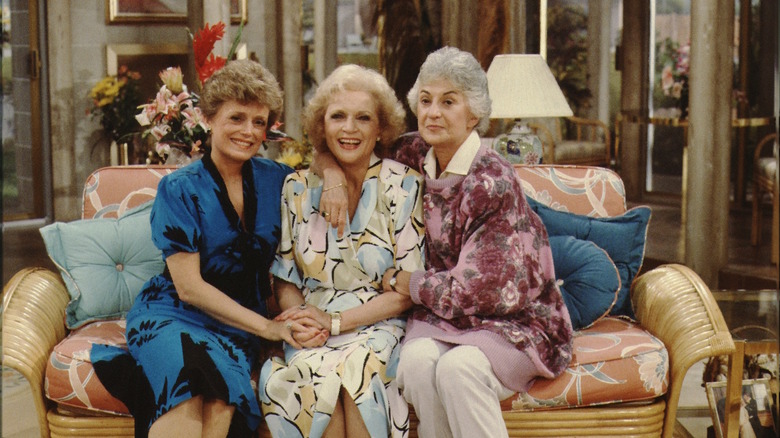
As much as we would love to see a modern remake of "The Golden Girls," few would bet hard cash on that happening. Just imagine what a network exec might say if you pitched them a show about four women over 50 living together in a house in Miami.
Then again, it's not like the climate was ever comfortable for creator Susan Harris to do what she wanted on TV. The writer and her future "Golden Girls" collaborator Bea Arthur had made waves just a decade earlier by confronting abortion in a genuinely groundbreaking episode of "Maude." Now, the pair were not only going to confront audiences with the humanity of older women, but also the humanity of those in the gay and lesbian community, those living with HIV/AIDS, and those struggling with addiction disorders and financial uncertainty. They did all of this at a time when the powers-that-be were happy to sweep these communities under the rug — and they did it while being one of the funniest and most popular sitcoms in the history of television.
"The Golden Girls" won 11 of its 68 Emmy nominations. All four of the leading women — Arthur, Rue McClanahan, Estelle Getty, and Betty White — took home awards for their performances. It won Outstanding Comedy Series two years in a row.
Cheers
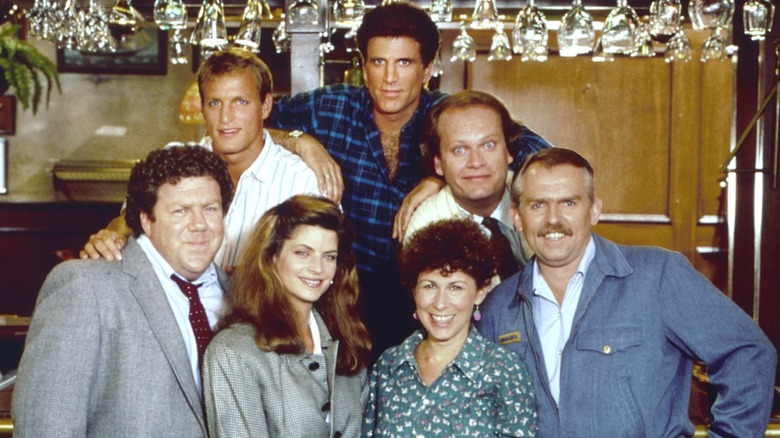
Chances are, you don't need anyone to recommend that you watch "Cheers." NBC aired 275 episodes of the series across 11 seasons from 1982 to 1993 — then launched "Frasier," a spinoff with an almost identical tenure that achieved even further acclaim. It dominated the final two decades of the 20th-century sitcom space. If you care about the genre at all and have yet to see it, you're doing yourself a disservice that's hard to overstate.
If you're asking yourself what's so special about "Cheers" that it was able to accomplish such feats — the answer, on the surface, is nothing. It's a show about people hanging out in a bar. That constraint puts extra emphasis on the relationships that drive the comedy, though, and especially that of the original will-they-won't-they TV couple, Sam (Ted Danson) and Diane (Shelley Long). If you've ever lost sleep over a sitcom romantic subplot, you owe "Cheers" a debt of gratitude.
As of writing, "Cheers" is still the most nominated scripted comedy series in Emmy history, with 117 nominations over 11 years. It's also the fourth most nominated series period, behind "ER," "Game of Thrones," and "Saturday Night Live." It won 28 awards, including four wins for Outstanding Comedy Series. Danson and Long both won for acting, as did Bebe Neuwirth, Woody Harrelson, Kirstie Alley, Rhea Perlman, and John Cleese.
Taxi
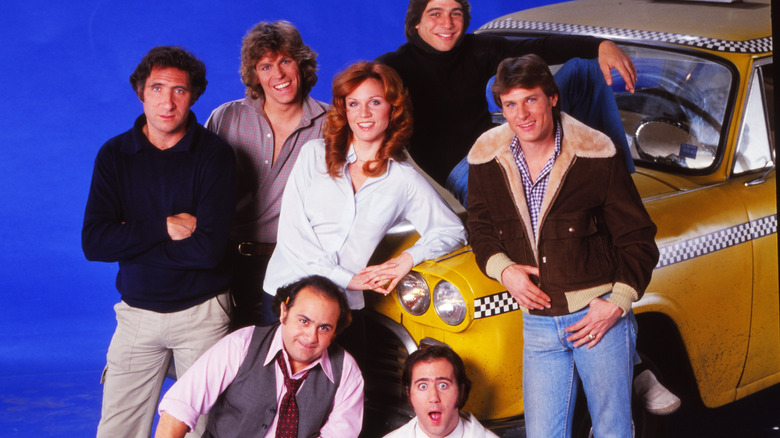
Of course, as much as we take "Cheers" and the beginning of the "quality television" era for granted, neither would look the same without "Taxi." This series, which ran from 1978 to 1983, is relatively underrated compared to the rest on this list. It followed the employees of a New York City taxicab company, many of whom were played by actors who would go on to have extraordinary careers in film and television. The Emmy winners were Judd Hirsch (who was nominated for his first Academy Award just two years after "Taxi" premiered), Christopher Lloyd (less than a decade out from "Back to the Future"), Carol Kane (already an Oscar nominee at the time), and national treasure Danny DeVito. Among those the Television Academy passed over were Tony Danza and Andy Kaufman.
Beyond this ridiculously stacked ensemble, "Taxi" revolutionized the way sitcoms were shot. James Burrows directed throughout the first four seasons of the show and honed his approach to multicam television production. He's the one of the main reasons why many sitcoms look like recorded stage plays, with a single take captured by four different cameras and edited together in post. This show dramatically refined what "I Love Lucy" and the like had pioneered — it's to the multicam sitcom what "Arrested Development" is to the single-cam sitcom. After "Taxi," Burrows went on to co-create "Cheers."
"Taxi" earned 34 nominations and 18 awards at the Emmys, including three consecutive Outstanding Comedy Series wins. If there's a reason it isn't remembered as well as other shows on this list, it's because everyone involved went on to do even bigger, better things because of it.