

15 Best Sitcom Pilots Of All Time, Ranked
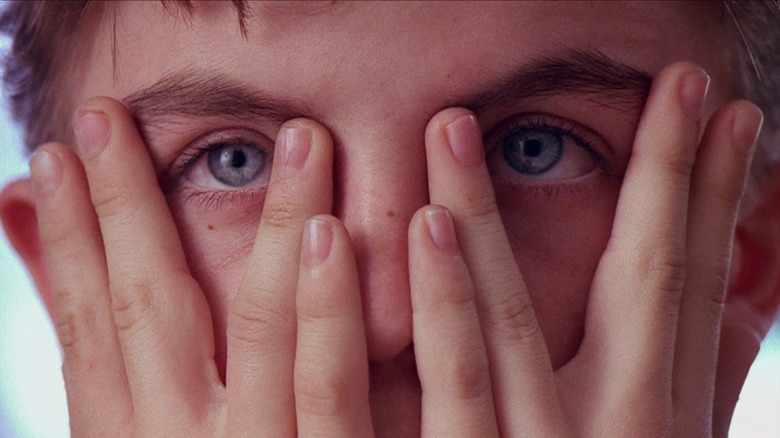
Some of the best TV comedies of all time got off to a rocky start, be they "Seinfeld," "The Office," or "Parks and Recreation." Rather than coming out of the gate fully formed, those shows and many others needed a couple of episodes to find their footing. Maybe they were missing a pivotal character, or took the wrong storytelling approach, or didn't have their style of humor completely figured out. It just goes to show how difficult it is to create a great pilot, one that can stand alongside the very best episodes of what the series eventually becomes.
Here are the 15 best sitcom pilots of all time, ranked. Whether they're multi-camera classics or single camera masterworks, these shows all perfectly conveyed exactly what they were going to be from the very first episode. So tour our gallery and see if your favorite made the cut.
15. The Other Two (Pilot)
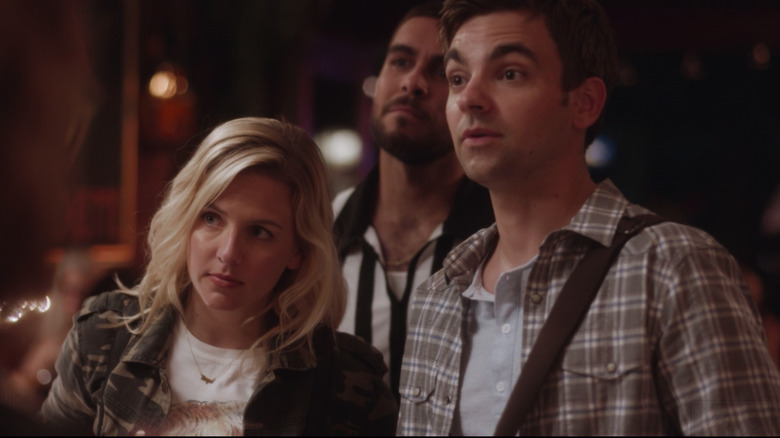
Hollywood satires are hard to pull off, but "The Other Two" quickly established itself as one of the best with its pilot. Directed by Chris Kelly and written by Kelly and Sarah Schneider, it centered on 13-year-old Chase Dubek (Case Walker), who becomes an overnight singing sensation after going viral on YouTube as ChaseDreams. His older siblings, aspiring actor Cary (Drew Tarver) and former dancer Brooke (Heléne York), are forced to deal with their kid brother's sudden fame, as their mother, Pat (Molly Shannon), navigates newfound celebrity.
What made the pilot for "The Other Two" stand out wasn't just its premise, but its execution. It would be easy to paint Cary and Brooke as merely pathetic, jealous, and vain — and indeed, Kelly and Schneider ring a lot of satire out of those very emotions. Yet there's also a deep well of sadness to the two, a feeling that life is passing them by and a desperation to make something of themselves before it's too late. It's that core of truth that made "The Other Two" special from the very beginning.
14. Barry (Chapter One: Make Your Mark)
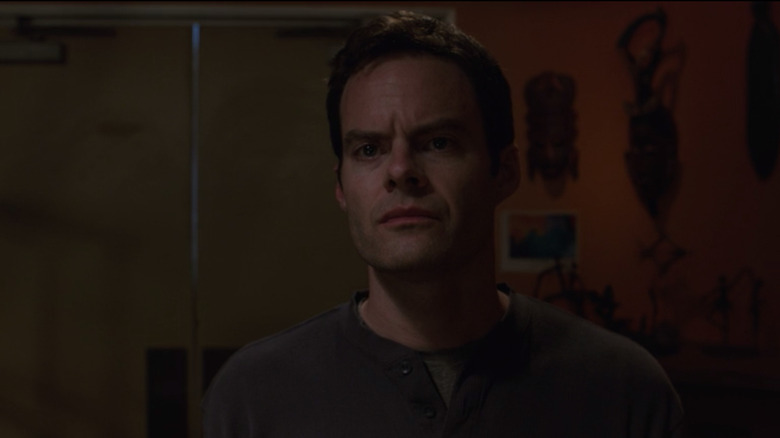
Among the very best of the auteur-driven TV comedies was "Barry," which showed a new side to triple talent Bill Hader from its very first episode. In "Chapter One: Make Your Mark," contract killer Barry Berkman arrives in Los Angeles to carry out a hit. While following his mark, he stumbles into an acting class, and finds he has a talent for it. Acting coach Gene Cousineau (Henry Winkler) encourages him to stick with the classes, but his handler, Monroe Fuches (Stephen Root), needs him to keep killing to satisfy the Chechen mob.
Working from a script he co-wrote with Alec Berg, Hader shows a real talent behind the camera, employing a noirish visual style that's reminiscent of a Coen Brothers movie. It's a good match for the tone, which blends brutal violence with farcical comedy. While Hader would become more stylistically ambitious as the series went on, it's clear from the very beginning he had a sure hand for what type of show "Barry" was supposed to be, excelling as a writer, director, and star.
13. Modern Family (Pilot)
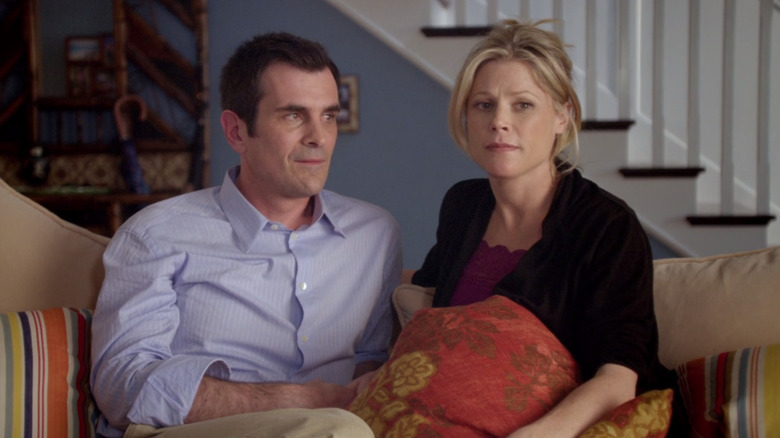
At this point, mockumentaries are almost trite, yet "Modern Family" makes good use of the format to juggle its various storylines and characters. In the pilot, we're introduced to a large mixed family led by patriarch Jay Pritchett (Ed O'Neill), who's starting to feel his age when his much-younger second wife, Gloria (Sofía Vergara), is mistaken for his daughter. His actual daughter, Claire (Julie Bowen), is raising three kids with her husband, Phil Dunphy (Ty Burrell), while her brother, Mitchell (Jesse Tyler Ferguson) is adopting a daughter with his partner, Cameron Tucker (Eric Stonestreet).
Directed by Jason Winer from a script by Steven Levitan and Christopher Lloyd, the "Modern Family" pilot keeps the big reveal that this family is connected a secret until the very end, when they gather to welcome baby Lily (Aubrey Anderson-Emmons). It packs a ton of story into 21 minutes, making good use of confessional interviews for character development and the handheld cameras for a fast pace. Levitan and Lloyd won an Emmy for their script, which introduces a large cast of characters without shortchanging anyone.
12. Veep (Fundraiser)
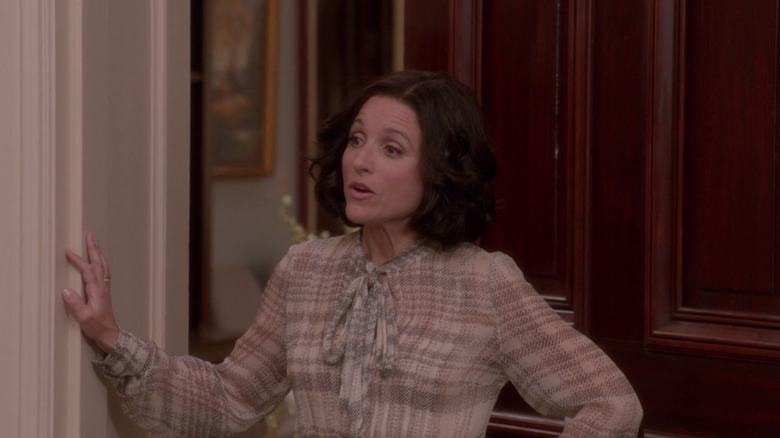
Armando Iannucci's "The Thick of It" is one of the great British sitcoms, so a few eyebrows were raised when he decided to adapt it for American audiences. Thankfully, his satirical bite wasn't dulled by his hop across the Atlantic, and "Veep" became one of the 15 best HBO original series of all time. The first episode, titled "Fundraiser," finds Vice President Selina Meyer (Julia Louis-Dreyfus) struggling to make the Clean Jobs Commission a reality when a staffer's tweet offends the plastics industry.
In directing the script he co-wrote with Simon Blackwell, Iannucci employs the same chaotic, hand-held, documentary aesthetic he perfected in "The Thick of It" and its movie spinoff, "In the Loop." It was a good match for a show boasting a combative cast of characters, who bounce insults and one-liners off of each other so effortlessly. Although its razor sharp satire would become more pointed over time, the "Veep" pilot is as pitch black and funny as they come, and it's a tremendous showcase for multi-Emmy winner Louis-Dreyfus.
11. The Comeback (Pilot)
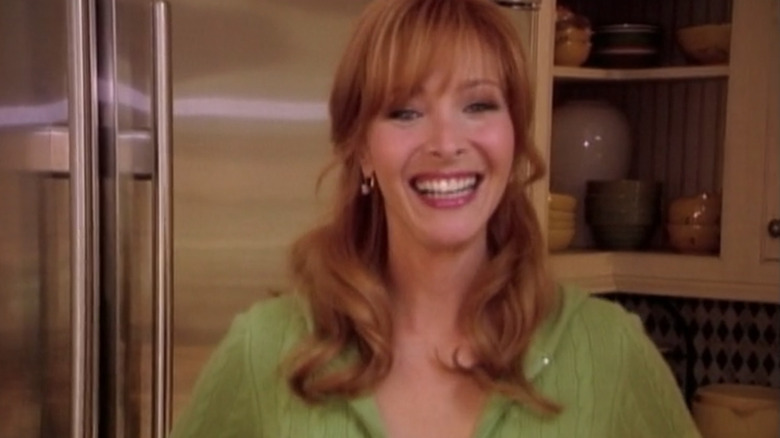
As "The Comeback" wrapped up its third and final season in 2026, it brought attention back to its pilot, which aired all the way back in 2005. In its premiere episode, fading sitcom star Valerie Cherish (Lisa Kudrow) agrees to star in a reality show based around her return to network television with "Room and Bored." She's dismayed to learn that the showrunners have retooled the series around a quartet of hot young roommates, relegating Valerie to the unglamorous role of Aunt Sassy.
Directed by Michael Patrick King and from a script by King and Kudrow, "The Comeback" is presented entirely as raw footage from the reality TV show, directed by "documentarian" Jane Benson (Laura Silverman). In that way, it paved the way for other mockumentaries like "The Office," "Parks and Recreation," and "Modern Family." Yet the aesthetic is more than just a gimmick: rather, it's a way of skewering not just reality television, but the lengths to which a person will go to chase the spotlight. Yet the pilot also shows a hint of Valerie's humanity, which would grow over time.
10. It's Always Sunny in Philadelphia (The Gang Gets Racist)
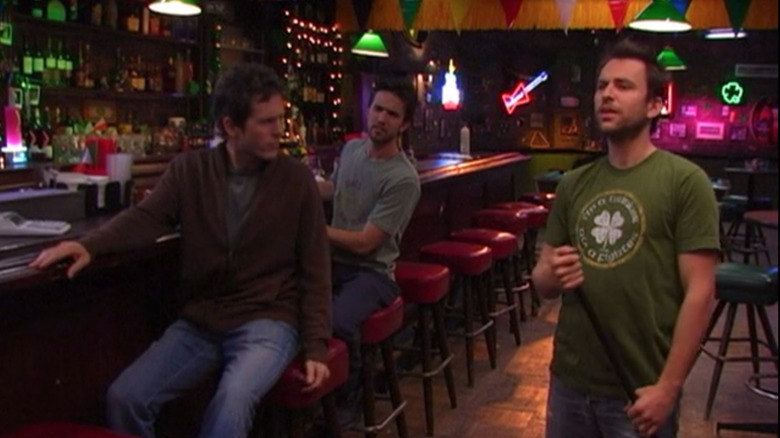
Rough as its aesthetic might be, "It's Always Sunny in Philadelphia" declared itself a comedy classic from the very first episode. In "The Gang Gets Racist," the owners of Paddy's Pub — main bartender Dennis Reynolds (Glenn Howerton), his sister, Dee (Kaitlin Olson), head of security Mac (Rob Mac), and janitor Charlie (Charlie Day) — have some uncomfortable interactions as they try to expand their business to black customers. Charlie even starts dating a black woman, Janelle (Telisha Shaw), but only to prove to the Waitress (Mary Elizabeth Ellis) that he isn't racist.
Sure, it might be missing Frank Reynolds (Danny DeVito) and its visual style resembles a hostage video, but the "It's Always Sunny" pilot has the shows bracingly offensive humor down pat. Directed by John Fortenberry from a script by Mac and Day, the episode is shocking in its lack of sympathy for anyone and everyone, and its willingness to be as crude and cruel as humanly possible. Yet although they may be scumbags, you can't help but love the "It's Always Sunny" gang, which is how it's become one of the 15 longest-running shows in American TV history.
9. Frasier (The Good Son)
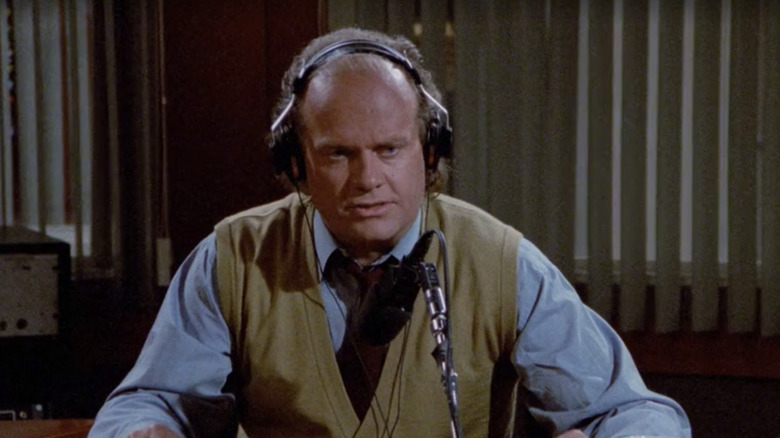
Most spin-offs begin with backdoor pilots, self-contained episodes from an established series that ease viewers into the new show. Not so with "Frasier," which quickly distinguished itself from "Cheers" with "The Good Son." Relocated from Boston to Seattle, Dr. Frasier Crane (Kelsey Grammer) has become a radio psychiatrist, and his ex-cop father, Martin (John Mahoney), is forced to move in with him after a gunshot wound permanently injures his hip. Martin brings along his dog, Eddie, and his caregiver, Daphne Moon (Jane Leeves), who catches the eye of Frasier's snooty younger brother, Niles (David Hyde Pierce).
From the get-go, "Frasier" has a distinctly different flavor of comedy from it predecessor. Whereas "Cheers" was more blue collar and quippy, its spin-off was farcical, making a drawing room comedy out of the distinction between high and low class, which is evident from the very first episode. Directed by James Burrows from a script by David Angell, Peter Casey, and David Lee, "The Good Son" makes no attempt to trick viewers into thinking they're watching another version of "Cheers." In doing so, they created one of 10 spin-offs that were better than the original series.
8. Curb Your Enthusiasm (The Pants Tent)
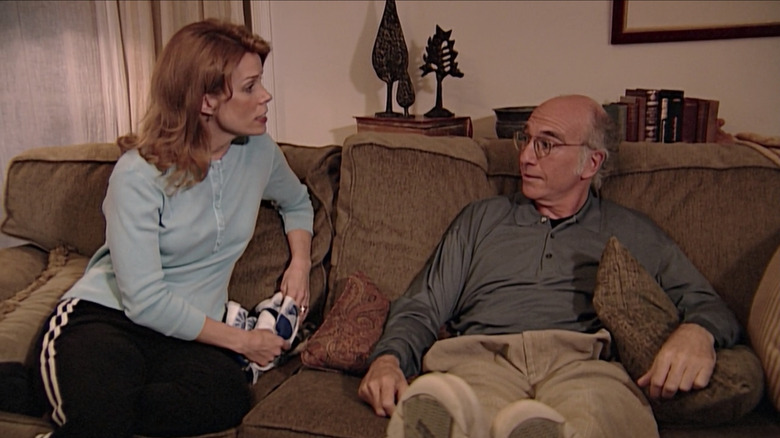
Great as the show was, the "Seinfeld" pilot doesn't exactly establish what the rest of the show would be like, considering it's missing Elaine and is titled "The Seinfeld Chronicles." That's not the case with Larry David's "Curb Your Enthusiasm," which felt fully-formed from the start. In "The Pants Tent," (we're treating the Season 1 debut as the pilot, not the special that came out a year earlier) Larry's new khakis bunch up in such a way that sends the wrong message to Richard Lewis's new girlfriend (Sofia Milos). Meanwhile, his offhanded joke about Cheryl (Cheryl Hines) being "Hitler" doesn't go over well with Jeff's (Jeff Garlin) parents, and a lie about Kathy Griffin backfires big time.
Although its visual style improved over time with the sophistication of digital cameras, director Robert B. Weide established the improvisational, vérité aesthetic that would become the show's hallmark. Loose as it may seem, David's pilot script is actually intricately structured, creating an intricate web of misunderstandings, misdirections, and micro-aggressions that balloon as they cascade into each other. David's Rube Goldbergian plot machinations allow his actors to soar, and kept them soaring for 12 seasons.
7. The Larry Sanders Show (What Have You Done for Me Lately?)
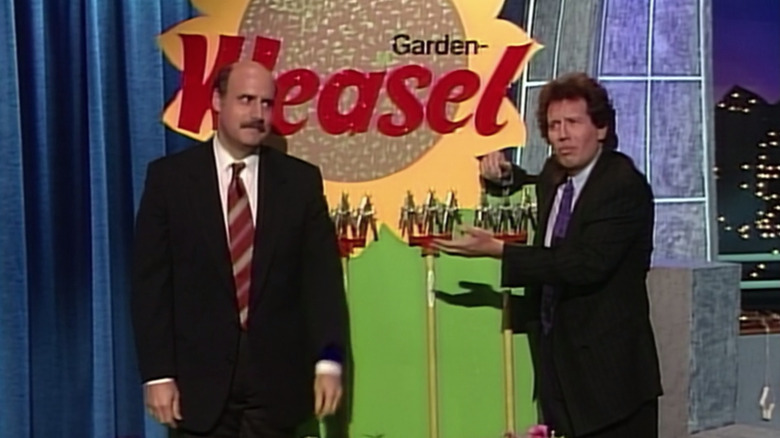
As a time when most TV comedies were still following the multi-cam format, "The Larry Sanders Show" broke new ground by looking behind the scenes at one of televisions oldest institutions: the late night talk show. In "What Have You Done for Me Lately?," Larry (Garry Shandling) is facing pressure from the network to do on-air ads for "The Garden Weasel." When his attack dog producer Artie (Rip Torn) is unable to intervene, Larry decides to interject humor into the ads, which doesn't go over well with the network.
What's brilliant about the "Larry Sanders" pilot, which was directed by Ken Kwapis and written by Peter Tolan, is how deftly it blends the high-gloss talk show aesthetic with the handheld grittiness of the backstage drama. Throughout its run, the series blurred the line between fact and fiction, inviting real celebrities to appear as exaggerated versions of themselves (as it does here with Robert Hays). What made it truly revolutionary was its focus on dramatically flawed characters, as Larry is shown here to be vain, neurotic, and a bit selfish, albeit in a way that feels deeply human and relatable.
6. All in the Family (Meet the Bunkers)
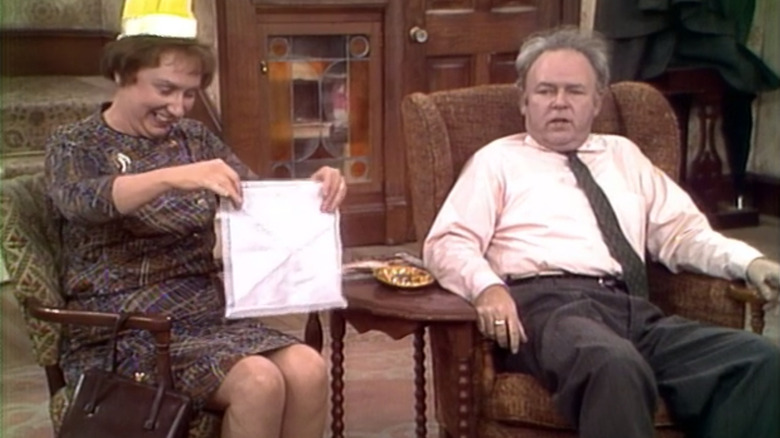
The pilot for "All in the Family" went off like a firecracker when it aired in 1971. Appropriately titled "Meet the Bunkers," it introduced a blue collar American family living in Queens, New York: working class father Archie (Carroll O'Connor), his "dingbat" wife, Edith (Jean Stapleton), their "little girl," Gloria (Sally Struthers), and her "meathead" husband, Mike Stivic (Rob Reiner). Sparks fly when Archie and Edith return home from church early one Sunday morning, as Archie's bigoted conservatism butts heads with Mike's '70s liberalism, ruining the Bunkers' anniversary party.
As directed by John Rich, the pilot for "All in the Family" is as traditional as multi-cam comedies come. What makes it a great pilot is what would eventually make it one of the 25 best sitcoms ever made: the power of Norman Lear's writing. In adapting the British sitcom "Till Death Do Us Part," Lear created a comedy that was quintessentially American, speaking to a rapidly changing culture with frank discussions of race, sex, and politics. That he did so without sacrificing the humor and pathos expected of a network TV comedy is all the more remarkable.
5. 30 Rock (Pilot)
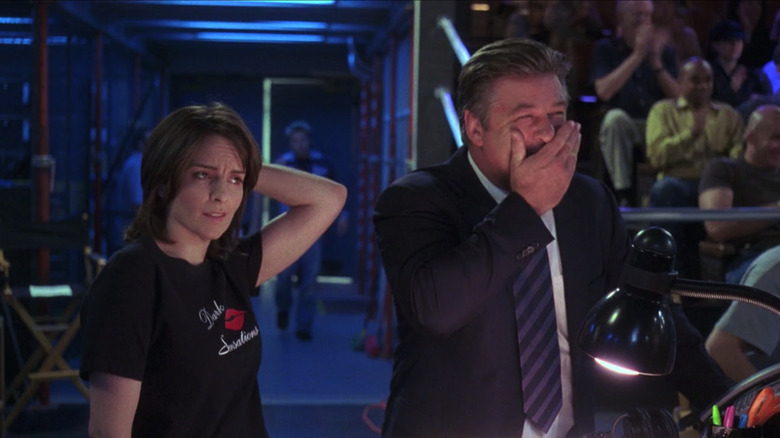
Tina Fey hit the ground running with the pilot for "30 Rock." Directed by Adam Bernstein, the "30 Rock" pilot finds Liz Lemon (Fey), head writer of the NBC variety series "The Girlie Show," at odds with the network's newly appointed executive, Jack Donaghy (Alec Baldwin). Donaghy wants to shake up "TGS" by adding wild card movie star Tracy Jordan (Tracy Morgan) to the cast, much to the consternation of the show's temperamental prima donna, Jenna Maroney (Jane Krakowski).
The star of the "30 Rock" pilot is Fey's script. Drawn from her experience working on "Saturday Night Live," it's smart about television without coming across too much like insider baseball. Fey introduces characters who come as close as humans can to resembling live-action cartoons, without sacrificing the humanity that would grow over seven seasons. She also establishes the show's singular brand of humor, which is built around meta-satire of pop culture and TV cliches, cut-aways gags, and an unbeatable joke-per-minute ratio. Most of all, she perfectly sets up the relationship between Jack and Liz, which would develop in ways that were surprising, humorous, and touching.
4. Malcolm in the Middle (Pilot)
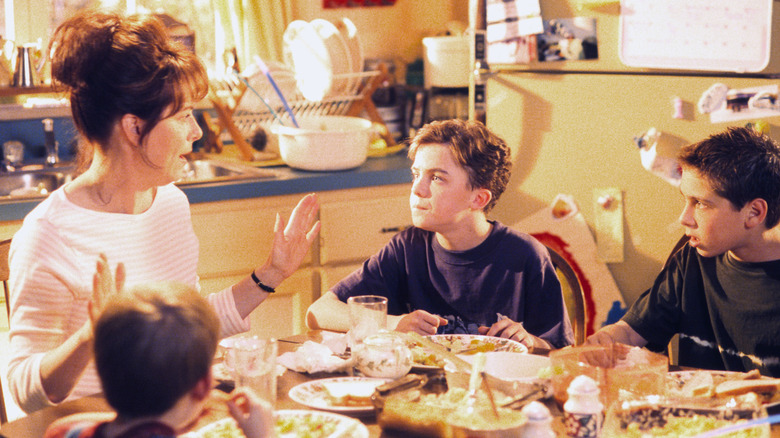
As sitcoms were tentatively making the switch from multi-cam to single-cam, "Malcolm in the Middle" proved that family comedies didn't need to be taped in front of a live studio audience. The pilot, written by Linwood Boomer and directed by Todd Holland, introduced audiences to the dysfunctional family with a boy genius son, Malcolm (Frankie Muniz), who often directly addresses the audience. After being found to have an exceptionally high IQ, Malcolm is placed in a class for gifted students, which makes the hurdles of growing up all the more pronounced.
Unlike most network TV comedies from the era, "Malcolm in the Middle" took a radical approach to its visual style, making good use of whip-pans, fish-eyed lenses, and quick cut-aways. Holland's direction is a good match for Boomer's writing, which breaks the fourth wall and takes absurd flights of fancy in setting up its working class family. The pilot won Emmys for writing and directing, a sign of appreciation for its bold re-imagining of one of TV's oldest formats.
3. Arrested Development (Pilot)
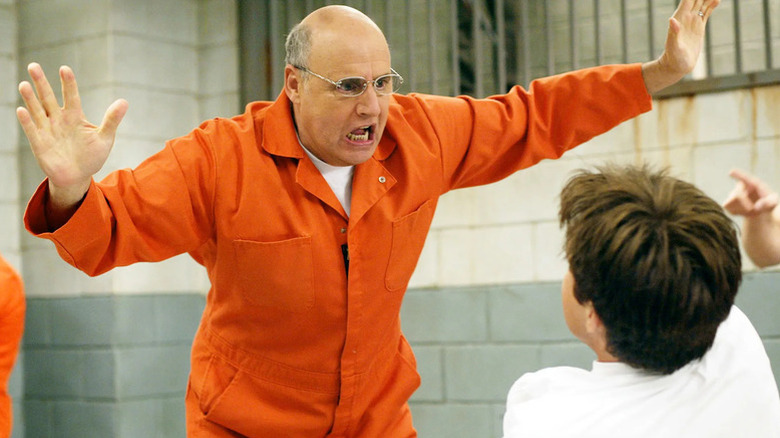
Few pilots pack as much into 21 minutes as "Arrested Development." In the first episode, level-headed Michael Bluth (Jason Bateman) is dismayed to learn that his mother, Lucille (Jessica Walters), has been named the new president of the family homebuilding company by patriarch George (Jeffrey Tambor). When his father is arrested, the younger Bluth finds himself managing not just the family business, but the messes created by everyone around him.
Written by Mitchell Hurwitz and directed by Joe and Anthony Russo, the "Arrested Development" pilot is a delicate balancing act of plots, subplots, and sub-subplots, setting up the various callbacks, flashbacks, and running gags that would persist throughout its run. The Russos' approach and style, from handheld cameras to the use of a narrator (Ron Howard), become de rigueur for TV comedy. But what's most remarkable about the pilot isn't its stylistic innovation or dense plotting, but its ability to establish a rich cast of characters who are instantly definable through Hurwitz's ironic, deadpan, and, at times, empathetic writing.
2. The Mary Tyler Moore Show (Love Is All Around)
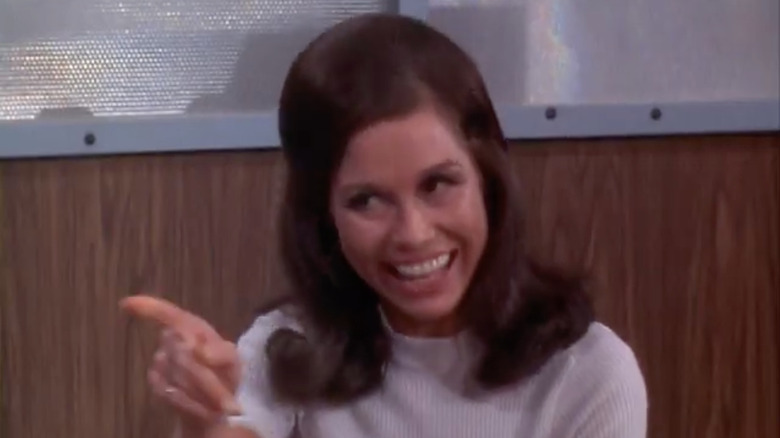
When James L. Brooks and Allan Burns created "The Mary Tyler Moore Show," they were looking to distinguish their star from the role of housewife Laura Petrie on "The Dick Van Dyke Show," and came up with one of the most significant works of second-wave feminism. After breaking up with her fiancée, Mary Richards (Moore) re-locates to Minneapolis and rents an apartment from her friend, Phyllis Lindstrom (Cloris Leachman). She also takes a producing job in a newsroom after displaying "spunk" to news director Lou Grant (Ed Asner), and makes friends with her upstairs neighbor, Rhoda Morgenstern (Valerie Harper).
As directed by Jay Sandrich, "Love Is All Around" took a stylistic approach to the multi-cam sitcom, with dramatic lighting and camera movements that showed the format didn't have to look garish. It also ended with Mary breaking things off with her fiancée for good, a radical concept which paved the way for other shows centered on independent, career-driven women. The script by Brooks and Burns successfully blended the workplace sitcom, ensemble comedy, and character-driven drama, proving that a situational comedy could be based in the laughter and pathos of real life.
1. Cheers (Give Me a Ring Sometime)
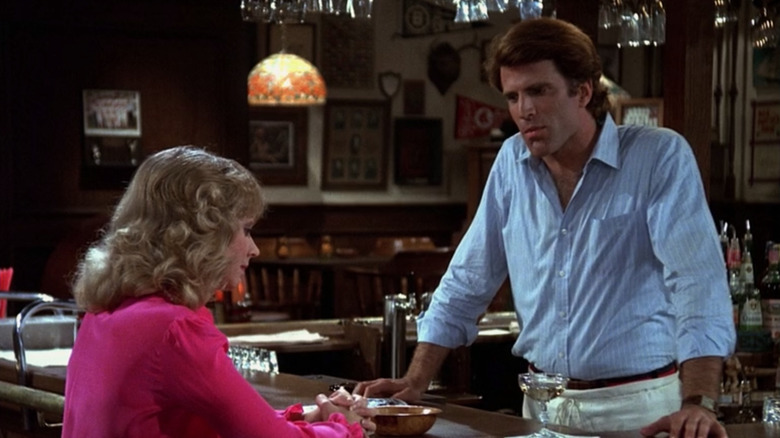
"Cheers" got off the an inauspicious start, premiering 74th in the ratings when its pilot aired in 1982. Little seen as it was at the time, that episode set the gold standard for sitcom pilots, which is appropriate considering it's titled "Give Me a Ring Sometime." When Boston University teaching assistant Diane Chambers (Shelley Long) goes to a local pub with her fiancée (Michael McGuire), she thinks she'll only be there for as long as it takes for him to get his mother's wedding ring from his ex-wife. But when her beau flies off to Barbados with her, Diane takes a waitressing job from womanizing bar owner Sam Malone (Ted Danson), sparking one of the greatest will they, won't they's in TV history.
As directed by James Burrows and written by Glen and Les Charles, the "Cheers" pilot derives its comedy from characters, introducing wisecracking waitress Carla Tortelli (Rhea Perlman), forgetful bartender Ernie "Coach" Pantusso (Nicholas Colasanto), and perennial barflies Norm Peterson (George Wendt) and Cliff Clavin (John Ratzenberger). These aren't characters with "business," but rather fully realized people who become quickly identifiable through their thoughts, actions, and dialogue. It's little wonder audiences kept returning each week to the place where everybody knows your name.