

10 Western TV Shows From The '70s That Still Hold Up Today
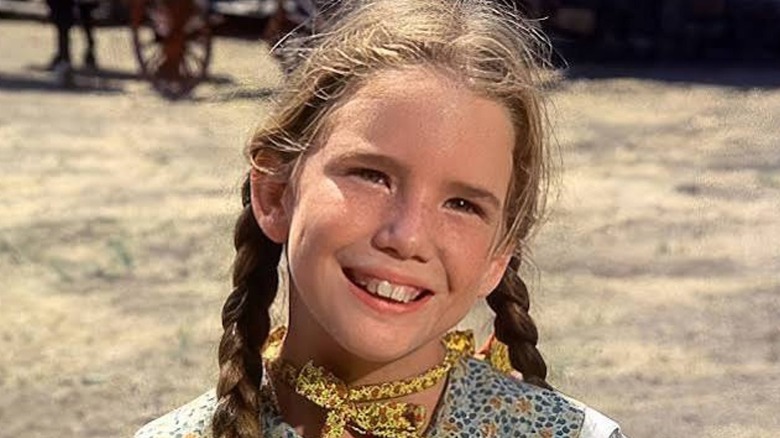
Once upon a time, Westerns were all the rage on the small screen, but the genre was on its last legs in the 1970s. The decade marked the end of long-running shows like "Bonanza" and "Gunsmoke," though some gems still rose up in their place. The '70s might not be viewed as a golden age for TV Westerns, but some of its horse operas still hold up well in the modern age.
Sadly, most of the shows covered here are rarely discussed today. In fact, some of them barely stuck around in the '70s, but that's no reflection of their quality. If you're looking to discover some unsung gems, look no further. On the flip side, the '70s also gave us some all-time great shows that enjoyed long runs on the air, proving that enough people still had an affinity for shows set in the Old West to keep them in the limelight.
Like rock 'n' roll, Westerns will never die. Classics stand the test of time, even if they fade out of the public eye. With that said, here are 10 Westerns from the '70s that still make us say "yee-haw."
The Chisholms
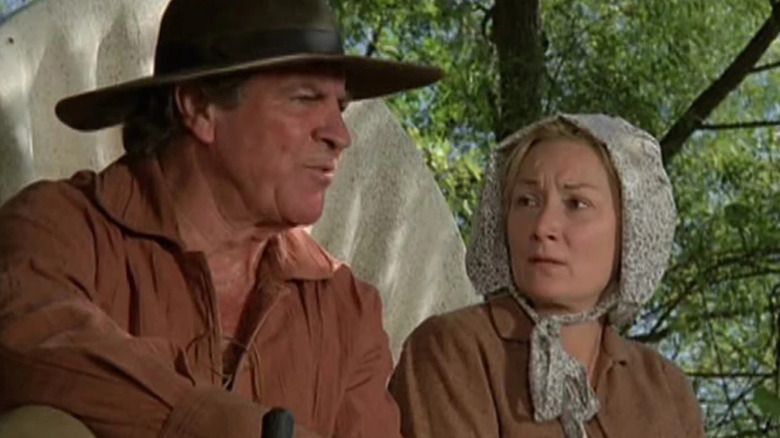
"The Chisholms" is a short-lived series that aired on CBS between 1979 and 1980. It might not have stuck around for the long haul, but viewers seeking a good, old-fashioned frontier adventure yarn will find it satisfying all the same.
The CBS series follows a family as they journey west in a wagon. The trek begins after they lose their farm due to unfortunate circumstances, and it only gets harder from there. After all, the Old West is full of dishonest and dangerous people who don't have the family's best interests at heart. Throw in starvation, illness, and the woes inflicted by Mother Nature, and it isn't a pleasant journey.
While that premise teases an action-packed adventure, "The Chisholms" isn't a rip-roaring shoot 'em up. The frontier presents crucibles that the family must overcome, but they aren't bombastic — but don't mistake that for boring. "The Chisholms" is a great character-driven story that holds up thanks to its grounded elements and attention to period detail. It might not be as pumped up and exciting as other '70s Westerns, but less is more sometimes.
Alias Smith and Jones
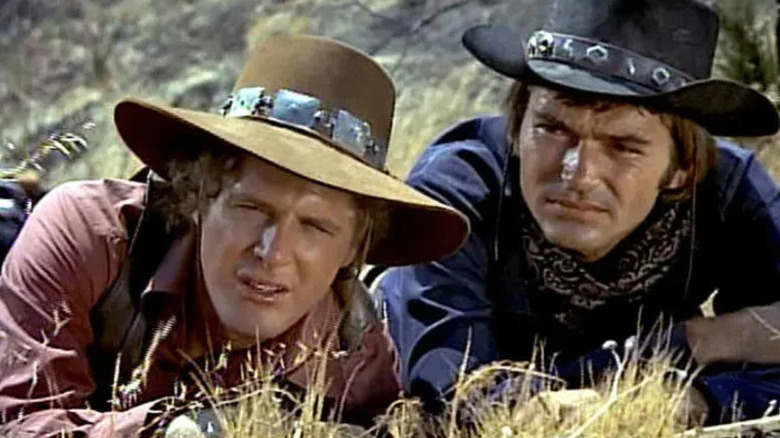
There are countless Westerns about outlaws on the run from the law. However, there are fewer shows about outlaws who want to repent for their sins and keep their noses clean. That's why "Alias Smith and Jones" still feels fresh for an Old West yarn — and it also happens to be very funny.
This gem follows two bandits as they seek amnesty for their transgressions. Luckily, they get an opportunity to start over — provided they can behave for a while. During that time, our rascals remain wanted fugitives, so they take on aliases hoping to avoid lawmen and bounty hunters who want to bring them in.
A Western about criminals breaking the law could have been fun, but "Alias Smith and Jones" works because the protagonists must resist their impulses. What's more, the series offers the breezy, lighthearted viewing that's a nice treat after a long day. The buddy dynamic between the titular characters is infectious, making it impossible not to root for these charming rogues. Add this one to your list if you like "Butch Cassidy and the Sundance Kid."
Centennial
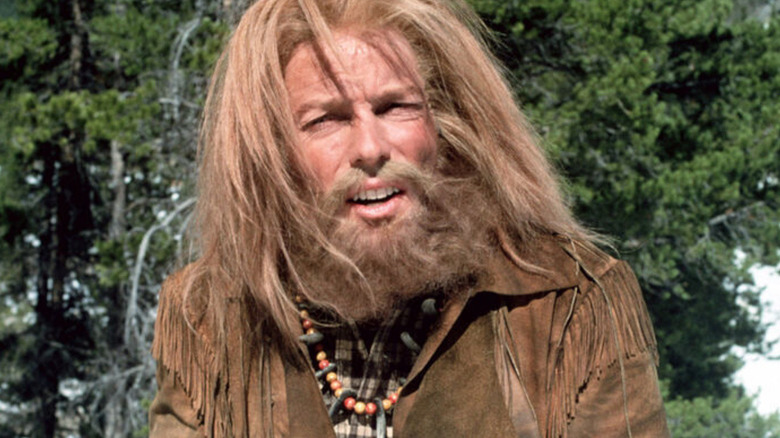
You might not have heard of this miniseries from 1978, but fans of shows like "Yellowstone" should check it out. Like Taylor Sheridan's series, "Centennial" explores topics such as the displacement of Native Americans and the negative effects of capitalism on the American West. The story also spans generations — just like the Yellowstone franchise — so get ready for a true epic.
"Centennial" chronicles the warts-and-all development of a Colorado town throughout the centuries. The story begins in the Old West and concludes in the 1970s, with everyone from old-school cowboys to modern-day land developers playing a part. The town is also home to plenty of drama, including conflicts between settlers, indigenous tribes, farmers, and more.
"Centennial" remains one of the best Western miniseries of all time – one that deserves more credit for its ambitious storytelling. The miniseries explores the brutal nature of American expansion, making it a fitting show for a decade where revisionist Westerns were the norm.
What's more, viewers can look forward to seeing some familiar faces on "Centennial," including Timothy Dalton, Mark Harmon, Donald Pleasence, and Richard Chamberlain. With those actors involved, you know it's going to be good.
The Sacketts
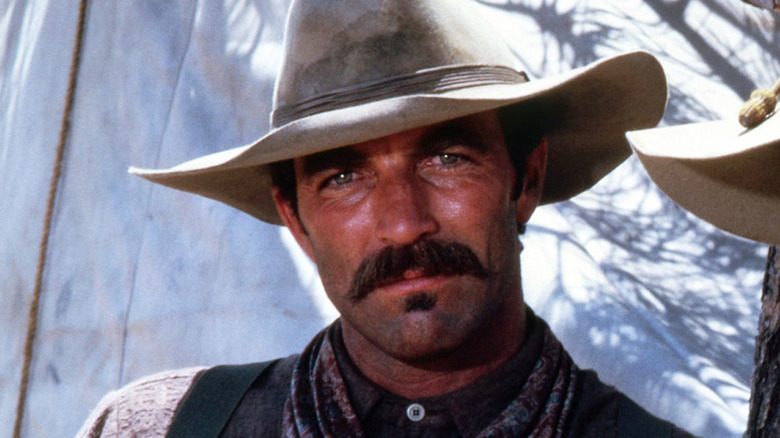
Tom Selleck landed "Magnum P.I." thanks to this Western series starring Sam Elliot. "The Sacketts" sees the legendary mustached actors play brothers who head out West — and all hell breaks loose. The siblings find themselves entangled in all types of drama, some of which involves some trigger-happy people.
"The Sacketts" is an old-fashioned Western that knows what fans want and delivers accordingly. Viewers can expect an epic adventure across the wild frontier, with the brothers getting into plenty of dust-ups and gunfights along the way. What else do you want from a horse opera?
Unsurprisingly, Selleck and Elliot are great on "The Sacketts," with the latter delivering an intense performance that might surprise viewers who associate him with the laidback characters he often portrays. Selleck and Elliot are big stars these days, but "The Sacketts" might be the most overlooked gem in their respective oeuvres. The series plays to their strengths as manly man actors, meaning that "Blue Bloods" and "Landman" fans should have a blast with it.
Bearcats!
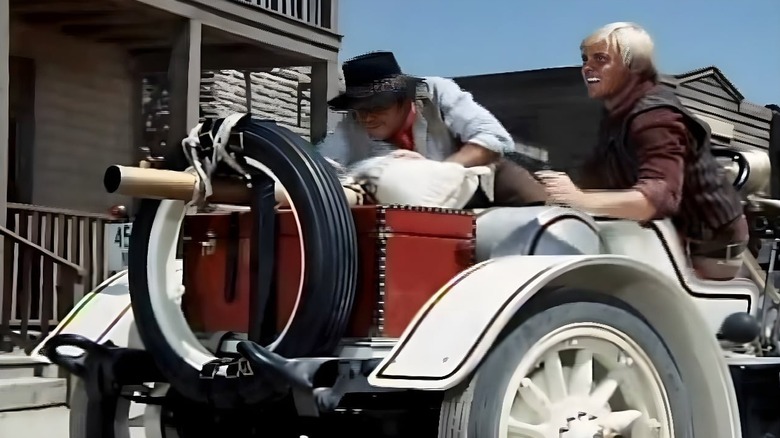
Do you like Westerns and old cars? If so, "Bearcats!" is the series for you. This one follows two guns for hire who travel around in a Stutz Bearcat and stop villains. The story takes place in the early 20th century — a period when cars actually existed — but the Western styling coupled with machinery makes it stand out from other genre shows of the era.
"Bearcats!" sees our heroes go up against a variety of rogues who lend themselves to fun storylines. They encounter traditional Western baddies — like bandits and robbers — who love causing trouble. Elsewhere, other threats include foreign spies and renegade soldiers, ensuring that the episodes aren't beholden to Western tropes.
"Bearcats!" is a pulpy, entertaining delight that makes great use of its period setting — right between the dying days of the Old West and World War I. Unfortunately, like many shows on this list, the engine stopped running when there was still gas left in the tank. That said, viewers should hunt down "Bearcats!" if they're in the mood for an action-packed, off-kilter adventure series.
Nichols
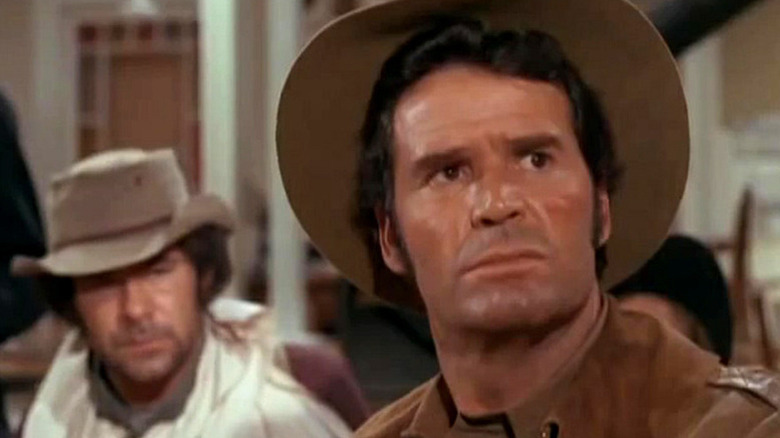
Many '70s Westerns focus on the dying days of the Old West, resulting in elegiac stories about the violent clashes between the past and modernity. The short-lived "Nichols" starring James Garner is yet another tale about those swansong years, but it approaches the subject with a sillier mindset.
Set in the early 20th century, "Nichols" sees Garner's eponymous character become the sheriff of his old town (also called Nichols). Upon arriving, he discovers that the locale is ruled by the Ketcham family and prone to visits from no-good baddies. The guns come out, right? Not quite. In fact, Nichols saves the day with his charm instead — and did we mention that he rides a motorcycle?
The success of Garner's "Maverick" series ultimately worked against "Nichols." For example, the show lost an advertising partnership with Chevrolet because an executive's wife felt "Nichols" was the lesser of both Westerns. Garner became frustrated with its lack of success, using his sway to have his character killed off. That's a shame, as "Nichols" is a fun comedy that doesn't take itself too seriously.
Hec Ramsey
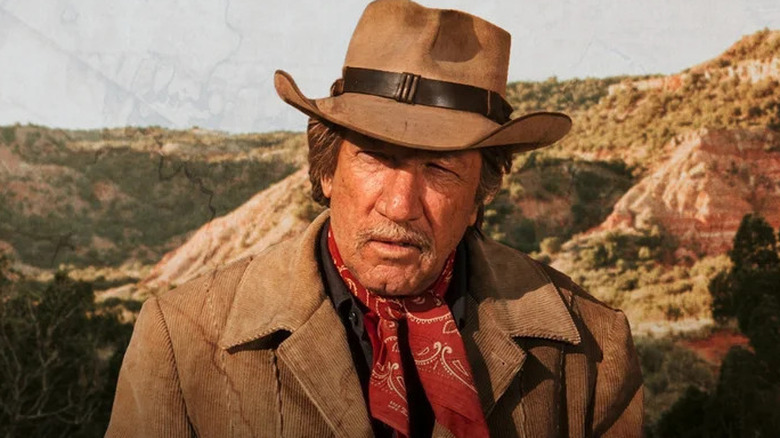
Richard Boone is a TV Western legend thanks to his role as Paladin on "Have Gun — Will Travel," which was a hit for CBS in the '50s and '60s. Unfortunately, "Hec Ramsey" wasn't as successful as that series. The NBC Western only lasted for two seasons before riding off into the sunset, but it deserves praise for not being your typical horse opera.
This one sees Boone play Hec Ramsey, a lawman tasked with protecting Oklahoma in the early 20th century. He isn't shy about using his pistol, but there's more to Hec's lawman skills than action and bravado. For example, he uses forensic science to solve crimes, which is a fun spin on a well-trodden genre.
"Hec Ramsey" offers enough gunslinging action to appeal to the purist fans. However, the scientific approach to crime fighting is reminiscent of "CSI: Crime Scene Investigation" and other great procedural TV shows. The series was also produced by Jack Webb – the genius behind "Dragnet" – which might explain why it was geared toward fans of cop dramas, as well as Western aficionados. Still, both genres work well together — as evidenced by modern TV shows like "Dark Winds" – and "Hec Ramsey" deserves another chance.
How the West Was Won
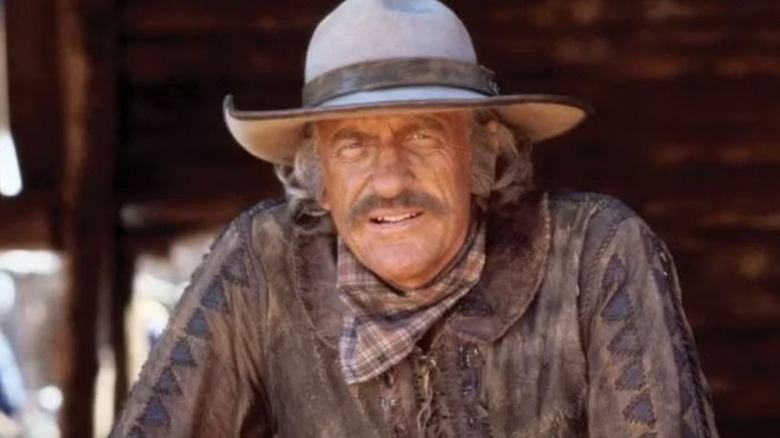
James Arness is best remembered for "Gunsmoke," but he returned to Westerns after the long-running series ended in 1975. "How the West Was Won" sees him play Zeb Macahan, a mountain man who helps his brother's family navigate the frontier during the Civil War. Cue a perilous trek that sees them get on the wrong side of outlaws and the other threats you expect to find in the Old West.
Don't go into "How the West Was Won" expecting a continuation of the 1962 movie of the same name. It's a whole new story. But if you're in the mood for an exciting adventure, it will certainly scratch the sweet spot. "How the West Was Won" offers a nice mix of action and soap opera-style storytelling, resulting in an entertaining series with some genuine stakes at times.
Arness could probably have played cowboys in his sleep, and he steals the show as Zeb. "How the West Was Won" allows him to play a grittier character, but fans of his "Gunsmoke" work won't be disappointed. Unfortunately, it isn't as fondly remembered as Arness' hit Western series, but it's never too late to discover it.
Kung Fu
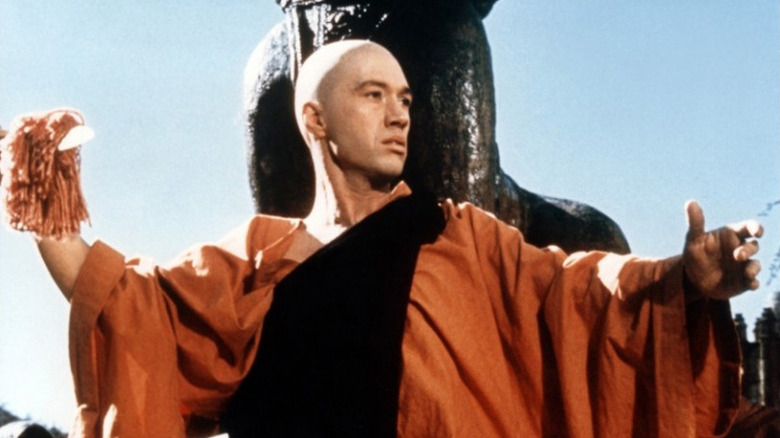
"Kung Fu" is a one-two punch of awesomeness. In addition to being a great Western series, it's one of the best martial arts shows of all time. The story follows Kwai Chang Caine (David Carradine), a Shaolin monk, who travels the Old West helping people while searching for a family member. But this is the wild frontier, and that means stumbling into trouble.
Westerns often give us violent protagonists with itchy trigger fingers. "Kung Fu" breaks that trend by centering around a hero who subscribes to peaceful and spiritual philosophies. Granted, Caine still uses violence to take down the bad guys, but his pacifist worldview makes him more interesting than the average gunslinger. Plus, the fact he favors kung fu over firearms is different for a Western hero.
"Kung Fu" warrants some criticism for casting a white lead as an Asian-American character. There's an argument to be made it's one of many '70s shows that have aged terribly. That aside, the show's strengths outweigh its more unenlightened elements, and Carradine still delivers a great performance as Caine. As an action-drama, "Kung Fu" is great entertainment... even though the show has obvious flaws.
Little House on the Prairie
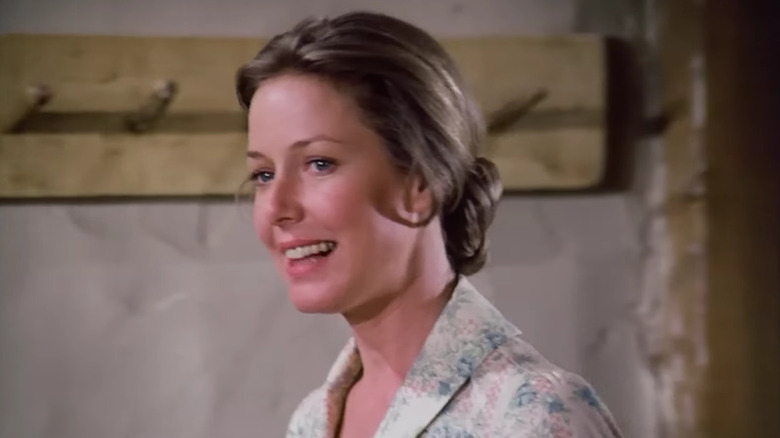
What can we say about "Little House on the Prairie" that hasn't been covered before? It's regarded as one of the best Western TV shows ever made, so it was always going to be on this list of '70s classics that still hold up today.
Based on the books of the same name, "Little House on the Prairie" follows the Ingalls family as they survive frontier life in Walnut Grove, Minn. Some episodes see them contend with the challenges of running a farm. Other times, they find themselves dealing with illnesses and kidnapping plots. "Little House on The Prairie" offers plenty of variety, remaining consistently entertaining for all nine seasons.
"Little House on the Prairie" is also one of the more wholesome Western series out there. Sure, it engages with dark subject matter at times, but it won't scar kids for life. Ultimately, the series is about resilience, and the challenging moments are necessary for making viewers appreciate its lessons.
What's more, the tone is mostly sweet and sentimental, which offsets some of the darker storylines and gives the series a cozy feel. Netflix's "Little House on the Prairie" remake is also worth watching, but you can never go wrong with the O.G. series. There's a reason why it's stood the test of time.