

10 Great TV Shows That Had Bad Pilots
As we've covered here on TVLine before, pilots are a tricky beast, trying to both sell a show and make a good first impression. For a variety of genres, we've talked about the shows that started with their best foot forward, like the best sitcom pilots of all time. But now we're talking about the other side of that coin — the pilots that left much to be desired in attracting prospective audiences. More specifically, we're taking a look at subpar pilots that kicked off shows that became popular and beloved in their own right after their shaky start.
In some cases, these pilots are the beginning of a bad season that shows had to recover from before gaining creative traction. In many instances, these inaugural episodes are largely unrecognizable from the rest of the ones that followed, both tonally and aesthetically. Whatever the cause may be, these episodes aren't a great way to hook newcomers on a given television series, even if the rest of the show holds up tremendously. Here are 10 great TV shows that had bad pilots, but eventually bounced back to greater success.
M*A*S*H
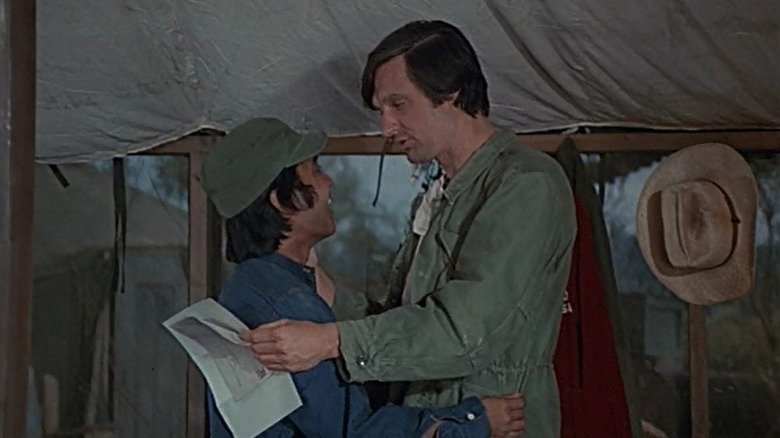
Long before "Scrubs" and "Shrinking" balanced comedy with medical drama, "M*A*S*H" set the mold for the genre. Premiering in 1972, the show didn't avoid depicting the horrors of war and its personal toll on its main characters while offering strong anti-war messaging. The series' pilot, however, eschews those serious elements to present the show as a relatively generic screwball comedy. The production was still visibly trying to figure out its direction, featuring a larger ensemble cast, with many of its recurring characters quickly and quietly discarded after the pilot.
Revisiting the "M*A*S*H" pilot after watching its later, much sadder seasons is always a strange viewing experience. The sets and many of the main characters are still intact, but the show's sense of humor feels completely different from what it would eventually become. Even leaning into a goofier tone, the episode isn't all that funny, treading on the series' weaker elements, all backed by an insipid laugh track. "M*A*S*H" became one of the best TV shows of the 1970s, but it would take a while to get there, and its pilot certainly doesn't suggest greatness.
Star Trek: The Next Generation
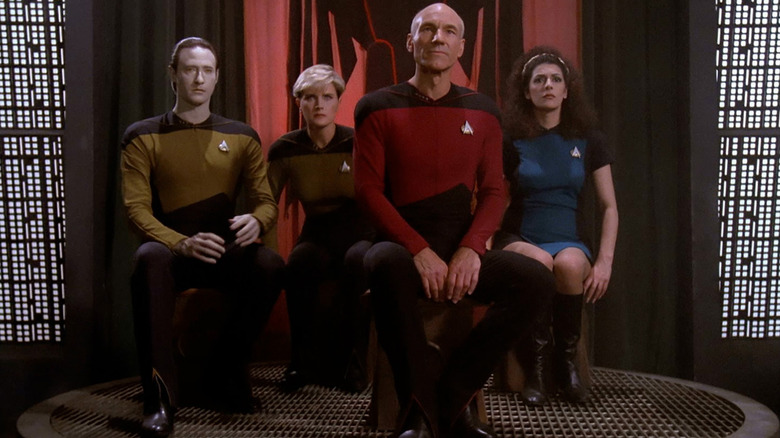
"Star Trek: The Next Generation" marked the iconic franchise's return to television after nearly 20 years with a double-sized premiere, "Encounter at Farpoint." Set approximately a century after the events of "The Original Series," the episode introduces the crew of the USS Enterprise-D. This maiden voyage is derailed by the omnipotent Q (John de Lancie), who selects the crew as representatives to decide whether humanity deserves its continued existence. This judgement is framed around a large extraterrestrial entity, the seemingly menacing Farpoint Station, with Captain Jean-Luc Picard (Patrick Stewart) having to solve this cosmic conundrum as Q watches.
The first season of "Star Trek: The Next Generation" is ranked as its worst, and that dubious distinction starts with its opening episode. The introduction of the main cast is clumsily handled outside of Picard, particularly when it comes to Will Riker (Jonathan Frakes) and Deanna Troi (Marina Sirtis). These actors would grow into their fan-favorite roles, but the campy writing and awkward interactions do them a disservice here. The entire episode also has strange, hazy cinematography, almost making it feel like a dream, but not in a good way. There are worse "Star Trek: The Next Generation" episodes than "Encounter at Farpoint," but the pilot still leaves a lot to be desired.
Seinfeld
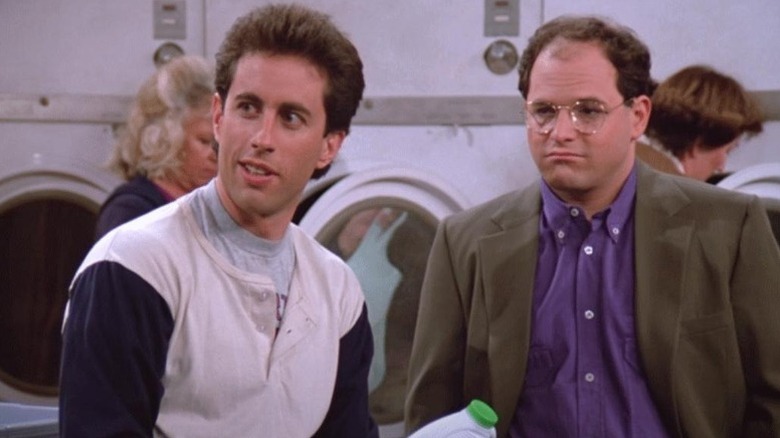
When "Seinfeld" premiered in 1989, it visibly wasn't sure of the type of sitcom it should be. Initially titled "The Seinfeld Chronicles," the pilot episode maintains the basic premise of Jerry Seinfeld's life in Manhattan as a standup comic, but everything feels so off. Jerry's friend George Costanza (Jason Alexander) is halfway competent, Elaine Benes (Julia Louis-Dreyfus) is nowhere to be found, and Cosmo Kramer's (Michael Richards) original name is Kessler. Even the sets are completely different from the rest of the series, despite nominally being the same type of environment, most notably with its change in diner location.
Given just how much it deviates from the look and feel of the series that followed, the pilot is a "Seinfeld" episode you can skip on a rewatch. The core concept is present, along with three of the main cast members, but the whole thing feels like a rough draft more than a foundation. Moreover, "The Seinfeld Chronicles" just proves how vital Louis-Dreyfus was to the overall comedic strength of the series, with her absence deeply felt. It would take a season or two for "Seinfeld" to find itself, but its pilot feels even further away from the classic sitcom that it would become.
The Simpsons
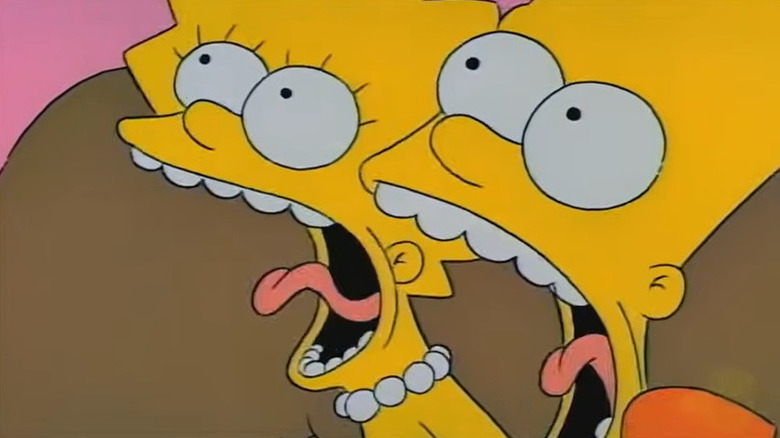
After spinning off from "The Tracey Ullman Show," the very first full episode of "The Simpsons" that audiences saw in 1989 wasn't its true pilot. "Some Enchanted Evening," the original pilot, was replaced by a Christmas special, "Simpsons Roasting on an Open Fire." Looking back at the pilot episode, which was quietly reshuffled to serve as the Season 1 finale, it's easy to see why. The episode has the kids take on a villainous babysitter, voiced by Penny Marshall, but everything feels off, and the story itself is largely devoid of any comedic quality.
With its shockingly low-rent animation, "Some Enchanted Evening" feels more akin to the franchise's segments on "The Tracey Ullman Show" rather than the rest of the series. The story's entire driving premise doesn't make for much entertainment either, instilling neither laughs nor a sense of peril. Even more awkwardly, positioning the episode at the end of the season makes its introduction of the show's main characters strange if you've already seen the 12 preceding installments. "Simpsons Roasting on an Open Fire" became one of the best "Simpsons" Christmas episodes, while "Some Enchanted Evening" turned into a lackluster coda to Season 1.
The Office (2005)
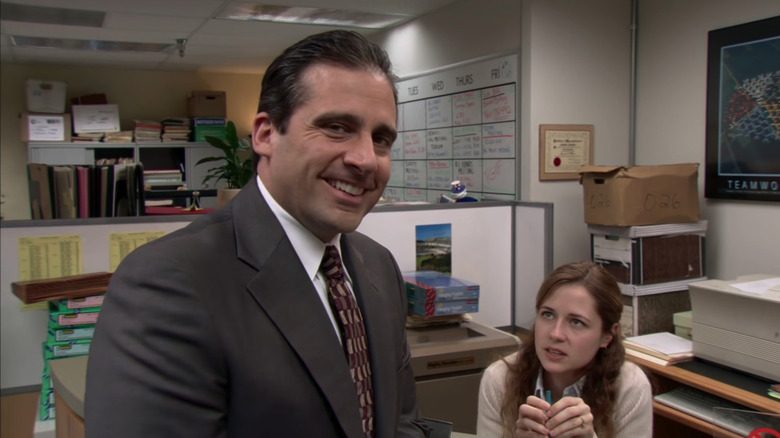
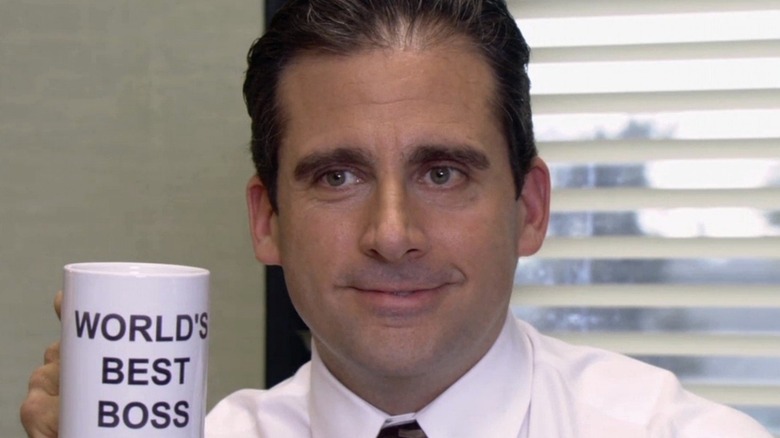
While the 2005 American remake of "The Office" is considered one of the best sitcoms ever made now, remaking the 2001 British classic seemed insurmountable at the time. The American show's first season hewed closer in tone and presentation to the British source material and was all the worse for it. The 2005 series' pilot was adapted directly from the original show's own pilot episode and is uncomfortably stifling in unintended ways. The episode introduces all the key players, white-collar workers at a paper sales company in Pennsylvania supervised by socially inept boss Michael Scott (Steve Carell).
Season 1 is easily one of the worst seasons of "The Office," and that diminished quality is most evident in its pilot. The jokes don't land being retold by the American cast, the character dynamics feel stilted, and the episode feels like a significantly weaker riff on the British show. Even the lighting and cinematography feel garishly off, leaning too much into trying to capture a low-budget documentary look to its presentation. The more the American version of "The Office" focused on its own personality and comedic sensibilities, the better it was, but it took an entire season to get there.
Bones
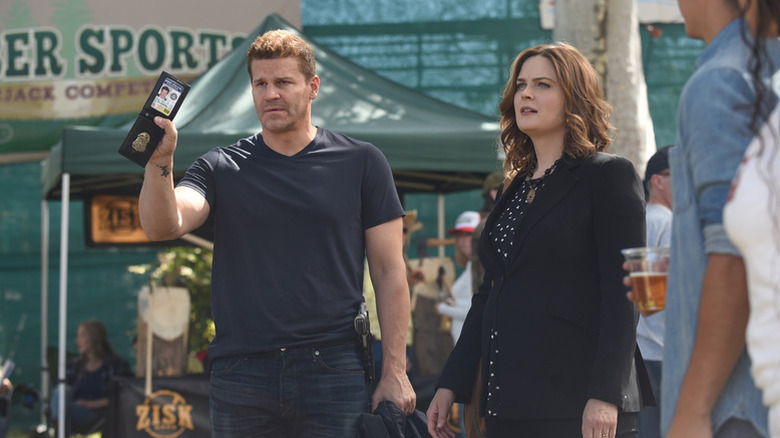
Running for an impressive 12 seasons, "Bones" was a crime procedural staple on network television from 2005 to 2017. So much of the series' charm is derived from its core couple, forensic scientist Temperance Brennan (Emily Deschanel) and FBI Special Agent Seeley Booth (David Boreanaz). But a lot of that chemistry is surprisingly absent in the opening episode, right from the odd introduction the characters have in an airport scuffle with Homeland Security. This progresses to a murder mystery involving a congressional staffer with links to a powerful senator.
Looking back, so much of what happens in the "Bones" pilot episode just feels so contrived. From the opening scene showing Brennan handling herself against overzealous transportation authorities to her forced confrontation with the murder suspect, the episode isn't a great showcase for its protagonist. Brennan is a complicated figure, but in trying to demonstrate those nuances, the pilot makes her feel oddly unlikable for much of the episode. "Bones" clearly got over its rough start, but going back and rewatching that pilot, the opener doesn't age well.
Psych
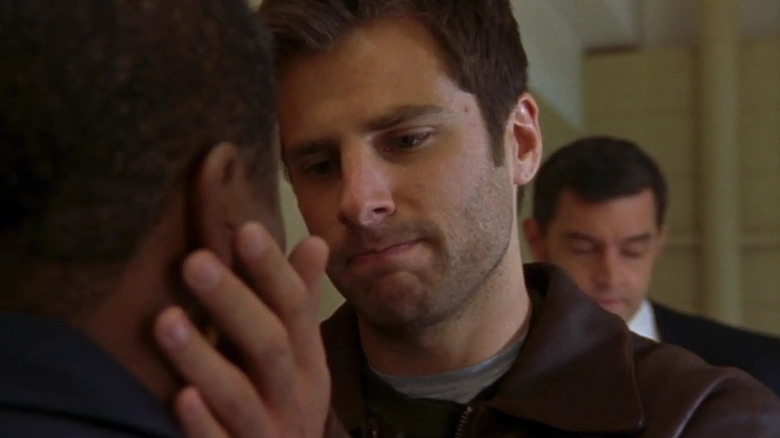
For eight seasons, "Psych" put its own fun-loving spin on the crime procedural genre and its consulting detective trope. But that lighter sensibility wasn't fully present in the show from the start, or at least was noticeably diminished in the series' pilot. The episode introduces protagonist Shawn Spencer (James Roday Rodriguez), who uses his keen observational skills to pose as a psychic and help the local police solve murders around Santa Barbara. But Shawn is depicted as a much darker character, more sullen, a bit of a womanizer, and with a more contentious relationship with his estranged father, Henry (Corbin Bernsen).
The differences in tone aren't isolated solely to Shawn in the "Psych" pilot episode either as the show finds its creative voice. The episode actually depicts the central murder driving the plot in one of the show's most violent on-screen moments. The "Psych" pilot also features a different partner for Shawn's skeptical police detective foil Carlton Lassiter (Timothy Omundson), throwing off the interpersonal dynamics. "Psych" settled into place as early as its second episode, with its pilot feeling like a tonal outlier.
30 Rock
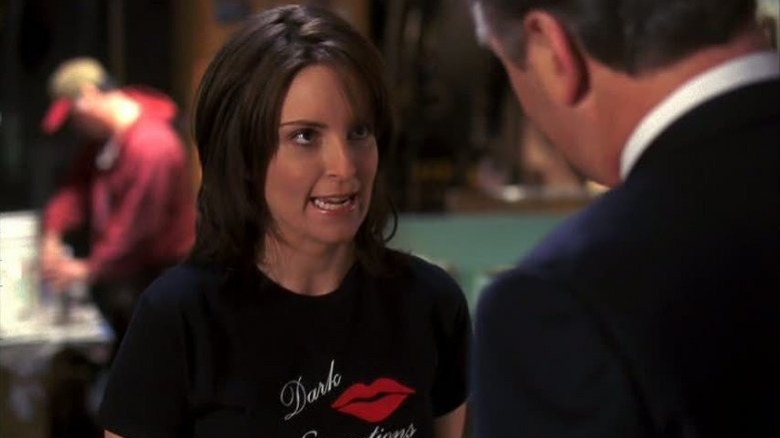
As wild as it sounds, this year marks the 20th anniversary of Tina Fey launching one of NBC's most acclaimed sitcoms with "30 Rock." One of the show's defining qualities is how rapid-fire every scene delivers its gags, with many landing squarely on target. The other enduring strength is how hilariously wacky its main characters are, including protagonist Liz Lemon (Fey). Unfortunately, the show's pilot episode doesn't really bring either of those qualities to the forefront, but plays things overly safe instead.
In fairness, there are moments in the "30 Rock" pilot that touch on the greatness that the series would quickly become known for. Even in less goofier capacities, Tracy Morgan and Jane Krakowski both turn in fine performances as their respective characters. But the whole episode plays out awkwardly, with Liz Lemon more of a conventional protagonist and the show unsure of what it could do with Alec Baldwin. "30 Rock" quickly grew into one of the best sitcoms of its era, but the pilot feels creatively restrained.
Parks and Recreation
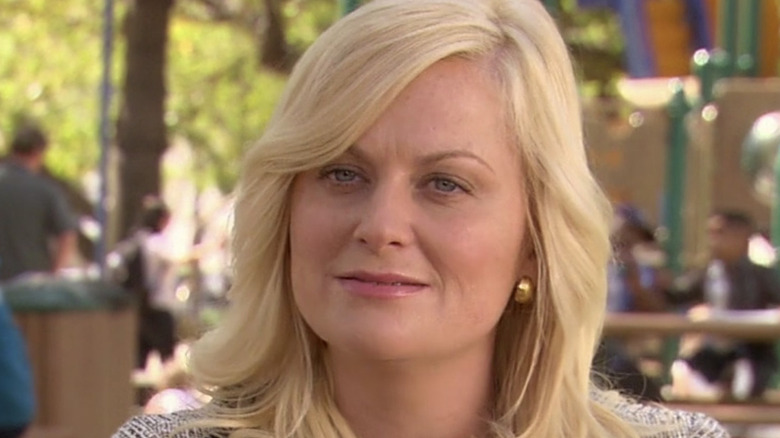
Ironically, just as "The Office" remake's creator Greg Daniels stumbled out the gate with that sitcom, his subsequent mockumentary series "Parks and Recreation" also endures a shaky start. While many of the familiar faces around Pawnee, Indiana, that populate the series appear throughout the episode, it does feel like it's riffing on "The Office" too closely. This extends to a more incompetent and less likable Leslie Knope (Amy Poehler), the deputy director of the titular municipal department. Similarly, the usual supporting characters feel oddly reined in compared to the funnier versions they would become, most notably Ron Swanson (Nick Offerman).
"Parks and Recreation" originally began as a spin-off to "The Office" before becoming its own standalone series. That shared DNA is present beyond the mockumentary format that both shows revolve around, but the 2009 series feels creatively restrained by the comparison. Simply put, we don't like seeing a buffoonish Leslie, nor do we like seeing more straitlaced iterations of her associates. Like "The Office," "Parks and Recreation" improved considerably with its sophomore season, and it did so by forging its own comedic path.
Legends of Tomorrow
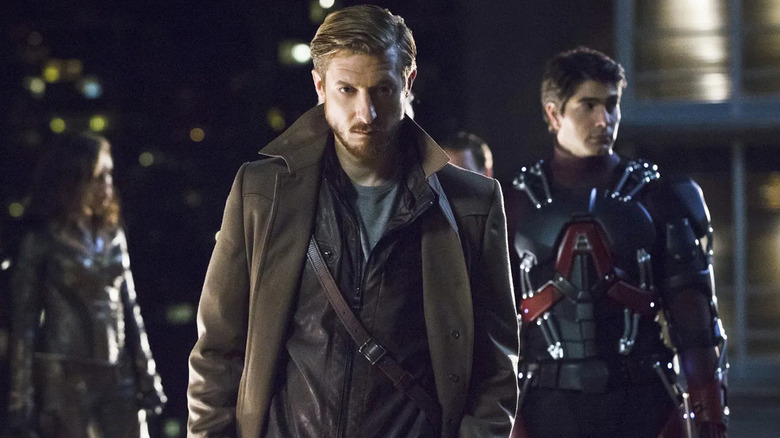
There was a time when across the Arrowverse, The CW's shared universe of DC superhero series, "Legends of Tomorrow" was the best show. It premiered in 2016 as a two-parter, with 22nd-century time traveler Rip Hunter (Arthur Darvill) deciding to recruit a team of heroes and villains to save the future. Hunter assembles an ensemble of characters who previously appeared in "Arrow" and "The Flash," targeting the sinister supervillain Vandal Savage (Casper Crump). While this all seems like a solid enough superhero premise on paper, the two-part pilot doesn't kick things off with a rousing start.
The Arrowverse was often cursed by the confines of its various series' limited production budgets, and "Legends of Tomorrow" was no different. The problem is, given the narrative setup and types of characters assembled, this is a story that requires a steady amount of visual effects that the show couldn't effectively afford. Worse yet, the spin-off takes on a largely self-serious tone, a far cry from the deliberately wacky vibe that would make the show so endearing. By its second season, "Legends of Tomorrow" improved tremendously, but its opening episode didn't get fans' hopes up.