

10 Best Hulu TV Shows Of 2026 (So Far)
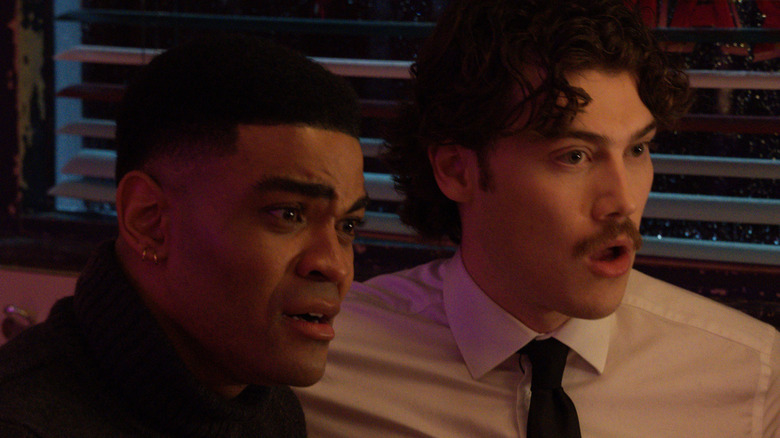
As one of the oldest streaming services in the game, some might argue Hulu's at risk of being outpaced by younger competition. That might be true — or it might still need some room to grow.
That feels like the overarching lesson of Hulu's 2026, a promising year where the platform's biggest swings saw remarkable upgrades in quality. Their sci-fi mystery box thriller has become a spectacular, blockbuster-level epic; the Glen Powell sports comedy is funnier — and darker — than it was in its freshman outing; and we're overjoyed to see that they finally found the key to that Gen Z sitcom that's set the internet ablaze. The series that returned for their final seasons left us on the highest of highs, and the incoming programs are among the year's strongest thus far. Though they were by no means dominant at this year's Emmy Awards, the best of Hulu's 2026 slate should have subscribers hopeful for the streamer's future.
Chad Powers (Season 2)
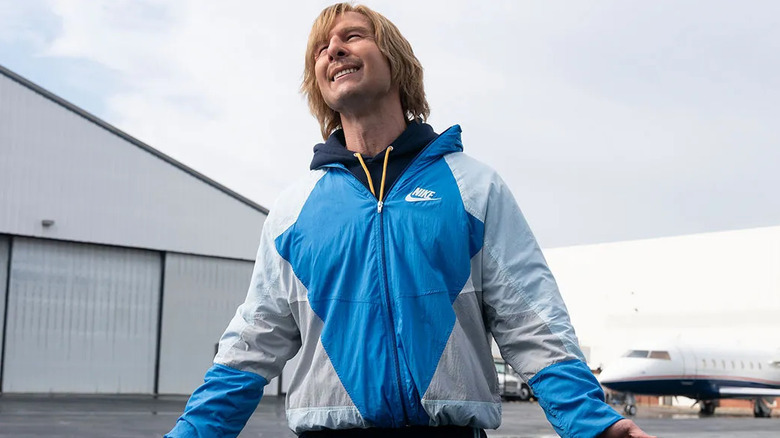
Every year, the Pro Football Writers of America (PFWA) hands out an award for most improved player. It isn't an award that goes to the best athlete, or even the one that shows the most potential. It goes to the player everyone had written off and suddenly turns in an unexpected, career-best performance. If TV had a formal award of this kind, "Chad Powers" would be a contender.
In Season 2, the Glen Powell-led sports comedy gets some extra yardage by breaking away from the "Ted Lasso"-esque vibe of the first outing. Where Season 1 asks if a disgraced quarterback can redeem himself by starting over with a struggling team, Season 2 asks how much he's willing to sacrifice to stay on the field. It feels a little strange to describe a show that began as a crude Eli Manning sketch as having a dark psychological bent at times, but it's taking the emotional cost of the deceptive premise seriously enough to generate dread around the comedy.
Has it gone full "Breaking Chad," as some critics have noted? Not quite enough quality-wise to place any higher on this list. After all, Drake Maye won that most improved award in 2025 — and, well, "Chad Powers" fans probably saw what happened at the Super Bowl.
Malcolm in the Middle: Life's Still Unfair
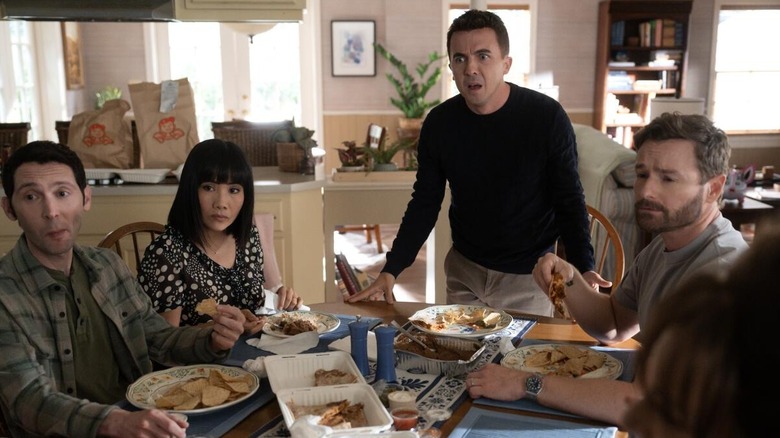
Walter White himself, Bryan Cranston, returned to his other iconic TV role this year to mostly positive results. "Malcolm in the Middle: Life's Still Unfair" reunites the cast of the beloved Fox sitcom for Hal (Cranston) and Lois' (Jane Kaczmarek) 40th wedding anniversary, with an all-grown-up Malcolm (Frankie Muniz) forced to reconnect with the family he's been pretending doesn't exist.
It's a unique and admittedly challenging premise for a feel-good reunion miniseries — perhaps unintentionally so. "Life's Still Unfair" treats the family as dysfunctional enough to warrant Malcolm's deception, but is (albeit understandably) too focused on recapturing the original's magic to explore that, especially in just four episodes. Story-wise, the overall effect is strange and at times even disconcerting.
As a brief, fan-focused follow-up, however, "Life's Still Unfair" is one of the more successful sitcom revivals of the 2020s. The over-the-top direction and tone are held intact two decades on, and the performances (mostly for the better; occasionally for the worse) feel perfectly preserved. Cranston in particular is a delight, having both the material and the clear enthusiasm to keep Hal as electric as ever.
Overall, this miniseries isn't going to convert new fans or relaunch the series — but it's not really trying to. It's a return to this family that asks nothing of its audience and everything of its characters. As far as sitcom reunions go, we'll give "Life's Still Unfair" credit for taking a bigger swing than most.
Tell Me Lies (Season 3)
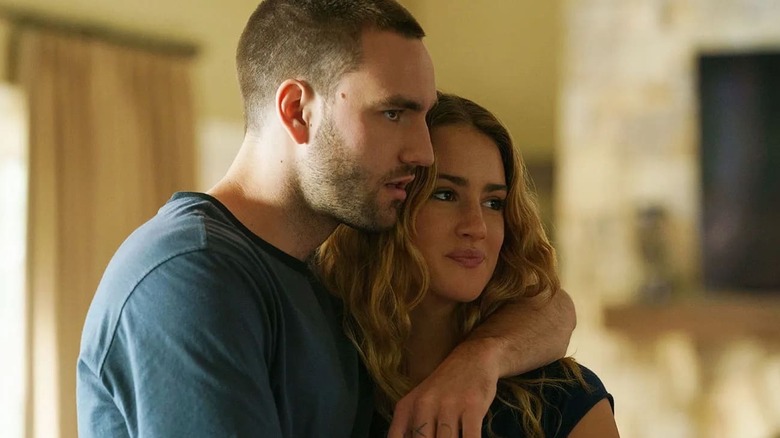
Credit where it's due — in a sea of salacious campus romantic dramas, "Tell Me Lies" has the most bite. What began as a stock story about an innocent girl falling for the wrong guy quickly grew into a serious exploration of the ways people protect and manipulate each other, and how what we're willing to forgive reveals what behavior we're willing to accept from ourselves. It raced past romantic escapism and drove right into the depths of the human psyche.
In its 3rd and final season, "Tell Me Lies" has major, overarching plot points to contend with, some of which were in stone as early as Season 1. A similar series that trusted its audience less might've reached for a tidy twist ending or a moralistic final note. "Tell Me Lies" goes for something more ambiguous and potentially frustrating. It denies a desire to see characters punished for their actions, or at the very least for their cycle of toxicity to resolve definitively. The final scene leaves that mostly up to the viewer — is it sudden relief, freedom, or a kind of satisfaction at the twisted yet authentic love language the series laid bare in the final season?
It's hard to talk about "Tell Me Lies" without spoiling it. Suffice it to say, watching the last chapter of this "love" story is a bit like witnessing a car crash — particularly the kind that spawns three seasons of bingeable TV.
The Testaments (Season 1)
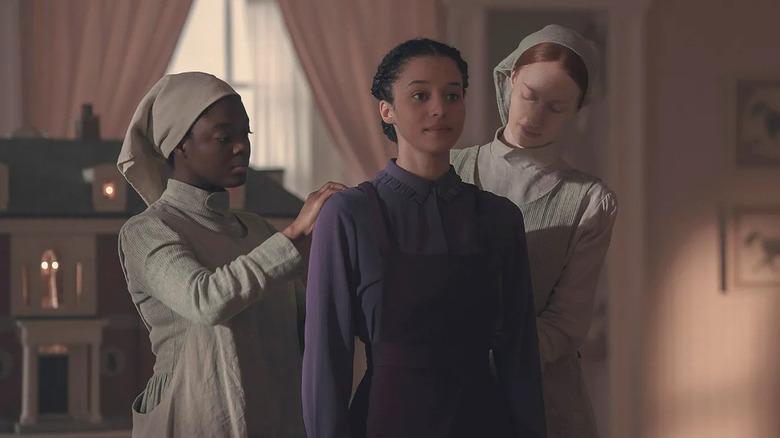
"The Handmaid's Tale" is easily one of Hulu's all-time greatest original series, and was overall one of the most culturally influential programs of the late 2010s. "The Testaments" (based on Margaret Atwood's 2019 sequel novel) doesn't exactly rekindle the extraordinary moment of the original series — it does, however, prove that its themes are just as urgent.
"The Testaments" works best when it centers on the psychological reality of its new setting. "One Battle After Another" breakout Chase Infiniti stars as Agnes, a young girl who lives within the oppressive dystopia of Gilead and is attending a preparatory school to become a Commander's wife. (If you don't know the premise of the original, Gilead is a patriarchal-slash-theocratic dictatorship that subjugates women into forced motherhood.) Because Agnes has been raised by this regime, her oppression is much more insidious, taking the form of education and social conditioning. It's a chilling twist that underscores the power of indoctrination when dissent, history, and discovery are outlawed.
The series is held back somewhat by being a sequel to "The Handmaid's Tale." Newcomers will feel totally left behind — those with the stomach and emotional bandwidth to watch more of this deeply depressing universe will be tested with more of the exhausting horror from the original. Infiniti is the best part about it, earning an outstanding lead actress nod at this year's Emmys.
Alice and Steve (Season 1)

"Alice and Steve" is one of the most underrated new TV shows of the year. In this British rom-com (or "wrong-com," as Disney themselves have aptly put it) from "Sex Education" writer Sophie Goodhart, Nicola Walker ("Spooks") and Jemaine Clement ("What We Do in the Shadows") star as the titular characters — longtime best friends of over 30 years, whose relationship is upended by unexpected romance. It would be a classic love story, if that romance wasn't between Steve and Izzy (Yali Topol Margalith), Alice's 26-year-old daughter who has moved back in with mom after a breakup.
It should go without saying that this unconventional and risky premise is a veritable conflict machine. "Alice and Steve" maintains that complexity over easy answers — Alice is simultaneously appalled that Steve would cross that boundary and betrayed by Izzy finding such intimacy with her closest friend. It's a series about three individual relationships that are independently supposed to be the most meaningful and emotionally durable one can experience, but are proven to be fragile and volatile in concert with one another. It's a love triangle where each point represents a different, messy kind of love.
"Alice and Steve" is inherently divisive. As solid as Goodhart's writing is, and as across-the-board hilarious as the performances are, this level of cringe comedy will be genuinely unbearable for many to watch. Which is all to say that, after one season, "Alice and Steve" has the makings of a cult-favorite British comedy.
Paradise (Season 2)
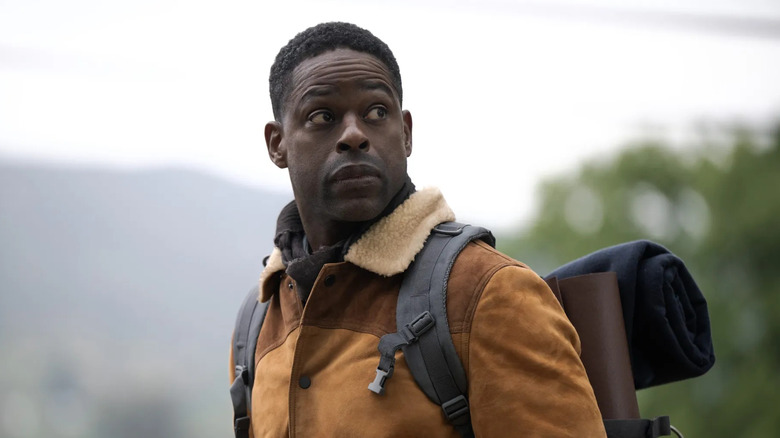
"Paradise" made a notable jump in quality in its sophomore outing. Season 1 was written as a sci-fi murder mystery, wrapping an intriguing dystopia around a relatively by-the-numbers conspiracy plot involving James Marsden's murdered president. In Season 2, "Paradise" breaks this convention, breaks out into the real world, and kinda breaks the idea of time itself.
Season 2 is bigger, better-paced, and rejuvenated by a new narrative focus. Sterling K. Brown is still the heart — Xavier's mission to find his lost wife, Teri (Enuka Okuma), is what takes "Paradise" out of Paradise (the city-sized underground bunker protecting American survivors from the post-apocalyptic wasteland on the surface). The series fully commits to expanding this world, introducing new antagonists in the form of Link (Thomas Doherty) and the mysterious "Alex." We don't want to spoil the central twist of the season, so we'll just say that these two characters bring the freshest ideas to the story.
"Paradise" Season 2 ramps up the series' mystery box elements, but offers so many definitive answers by the end that it's far more satisfying than its peers in the subgenre (this might be due to the show potentially nearing its end). If you were even a little bit entertained by Season 1, this next batch of episodes will have you hooked from start to finish, eagerly awaiting the next chapter. "Paradise" Season 2 received a slew of Emmy nominations, including outstanding drama series.
Rivals (Season 2)
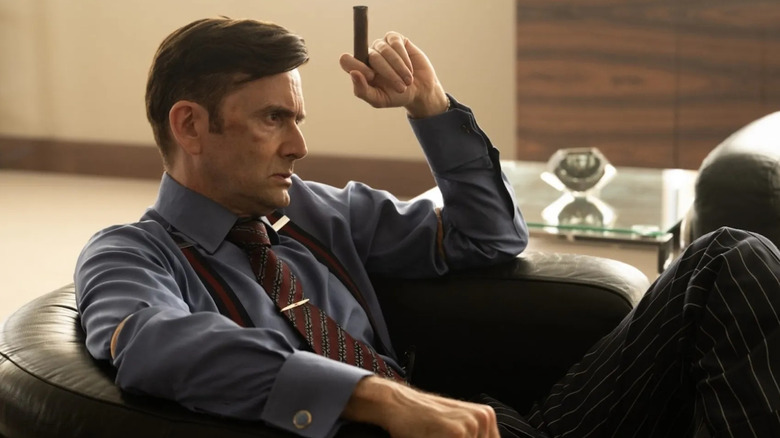
If you ever wished "Succession" was soapier, sexier, and exponentially more British, "Rivals" is the show you've been missing. Adapted from the 1998 novel by the late Dame Jilly Cooper, this period dramedy drops viewers into the absolute heat of the decade of greed. The inimitable David Tennant is doing some of the most thrilling (and unfortunately overlooked) work of his iconic career, anchoring the show's ensemble as the vicious media mogul Lord Tony Baddingham. He lives up to his amusing title in Season 2, the character descending to a level of darkness that cements his villainy. As horrible as he is, Tennant and the writers make him totally arresting.
As for the rest of the ensemble, Season 2 fleshes them out almost as well. As Tony's hunger to amass power in the scramble for British TV grows, his increasingly personal attacks drag everyone down with him — in particular Tony's wife, Monica (Claire Rushbrook), and Nafessa Williams' Cameron Cook and Alex Hassell's Rupert Campbell-Black, now allied against Tony. The corporate, psychosexual warfare is rendered in the most self-aware and over-the-top ways until such tackiness is perfectly punctured by sudden tragedy. As of writing, "Rivals" has gone on hiatus after a gutting midseason finale. It promises to return in the fall with a vengeance — we have no doubt it will deliver based on what Season 2 has done so far.
Adults (Season 2)
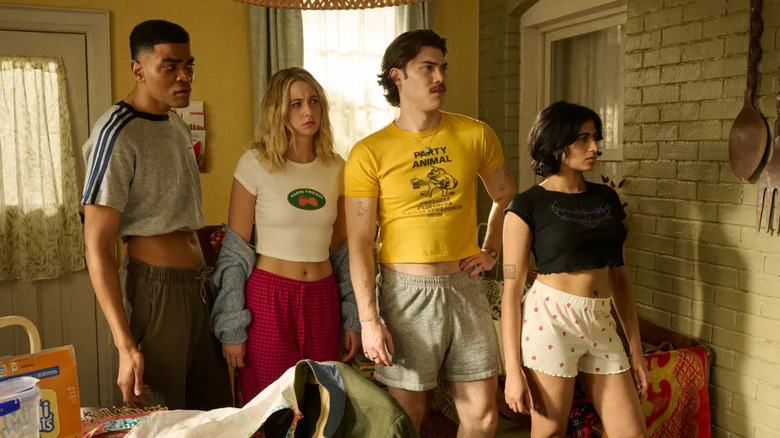
We always knew "Adults" just needed room to grow up — but we didn't expect it to get so sharp, so quickly. The FX/Hulu series has become the redemption story of the year. In an era of television where the sitcom is on life support and every other kind of comedy needs a genre mishmash to sell, "Adults" has rather stubbornly insisted that it be taken (un)seriously as a return to form for TV comedy. Season 2 justifies that insistence and then some, proving that Gen Z isn't over the sitcom genre after all — they've just been waiting for one that actually reflects their experience.
There's no hard sell needed for "Adults" Season 2. We don't need to dissect some deeper, signified commentary or genre deconstruction or "the episode where it gets really deep actually" — "Adults" is just the funniest thing on television, full stop. This isn't to say that the show has no depth or emotional range, but rather that those moments don't ever feel like the "point" of the series to the detriment of the jokes. "Fake ID" is hilarious and existentially heartbreaking at the same time, but darn it if Lucy Freyer doesn't keep you in the right kind of tears throughout. The entire ensemble is equally brilliant. Look no further than "Raccoon," which turns a trip-gone-wrong into the best half-hour of comedy this year.
The momentum behind "Adults" is undeniable. Though it was out of the Emmys conversation for 2026, there's no reason as of writing to think it won't dominate next year.
Furious (Season 1)
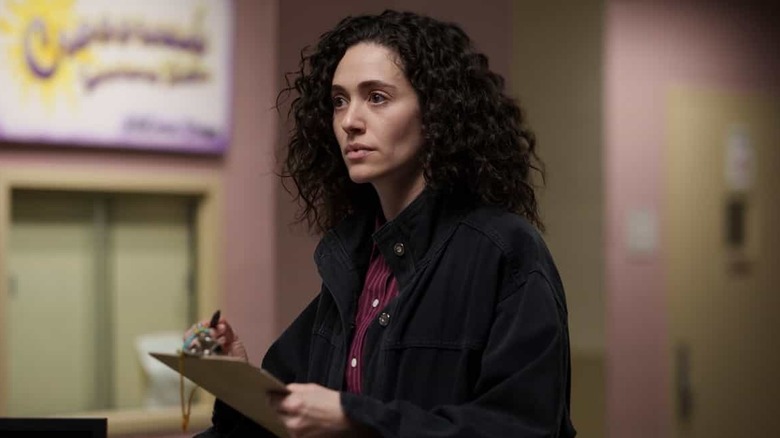
Another recent show looking ahead to the next awards season is "Furious," a haunting crime thriller from (checks notes) the creator of "New Girl"? Elizabeth Meriwether's newest effort couldn't be more different from the Fox sitcom, but represents only her latest dramatic success with Hulu ("The Dropout," "Dying for Sex"). She's quietly one of the platform's most consistent hitmakers, and "Furious" is her biggest hit yet.
In what could be described as a cross between "Killing Eve" and "Dexter," "Furious" stars "Shameless" alum Emmy Rossum as an FBI agent hunting down a vengeful serial killer, played by Lola Petticrew. The two stars are the series' strongest attribute, and will no doubt be competing for acting honors as soon as they are eligible. Petticrew has a particularly difficult task, the script asking them to make their character terrifying and deeply sympathetic at the same time. They acquit themself beautifully, crystallizing the series' structural commentary on righteous anger in the process. Rossum is less unconventional but equally rich in complexity, torn between institutional justice and the raw understanding of her target's aims. Season 2 promises to take things even further, to the extent that it might fundamentally change the cat-and-mouse dynamic of this first outing.
"Furious" may be upsetting for some viewers to watch, and (as much as you can avoid spoilers) it would be worth watching a trailer beforehand to get a sense of what you're in for. It's never more violent or disturbing than it needs to be, however, and is completely engrossing dramatically. It's the best pure thriller of the year.
The Bear (Season 5)
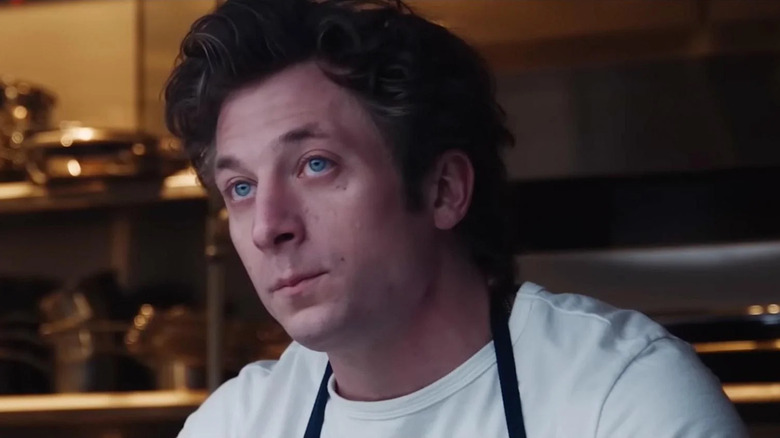
What a surprise — "The Bear," inarguably one of the best shows of the decade so far, has delivered a delicious final season that eclipses anything else Hulu has put out in 2026. After an artistically audacious (and somewhat polarizing) Season 3 and a course-correction in Season 4, Season 5 restored the show's confidence. It did so by simplifying the scope, dialing back in on the central characters, and serving up satisfying send-offs for the "family" we've fallen in love with over the past few years.
The decision to structure the entire final season around what might well be the last day of service for the restaurant is brilliant. It immediately forces "The Bear" to resolve whatever minor stylistic problems were beginning to creep in. There's no room for detours or needless indulgences. Every second counts. It also cashes in on the same bet that originally made the series a hit — that there's so much success, pain, and growth that happens behind the closed doors of a kitchen that you can turn the day-to-day of an average restaurant into a compelling drama. Not incidentally, "The Bear" Season 5 is funnier, arguably because there isn't as much room for wallowing this time around. The characters still get knocked around, but a ticking clock forces them back into action immediately — that also leaves room for more hope, too.
"The Bear" was entirely outclassed by the dominant "Widow's Bay" at this year's Emmys. Season 5 will be eligible next year (confusing, we know), and should be well positioned to take a victory lap off this triumphant final course.